
A shared Landscape Paisaje Compartido Eine geteilte Landschaft
>Next
A shared landscape
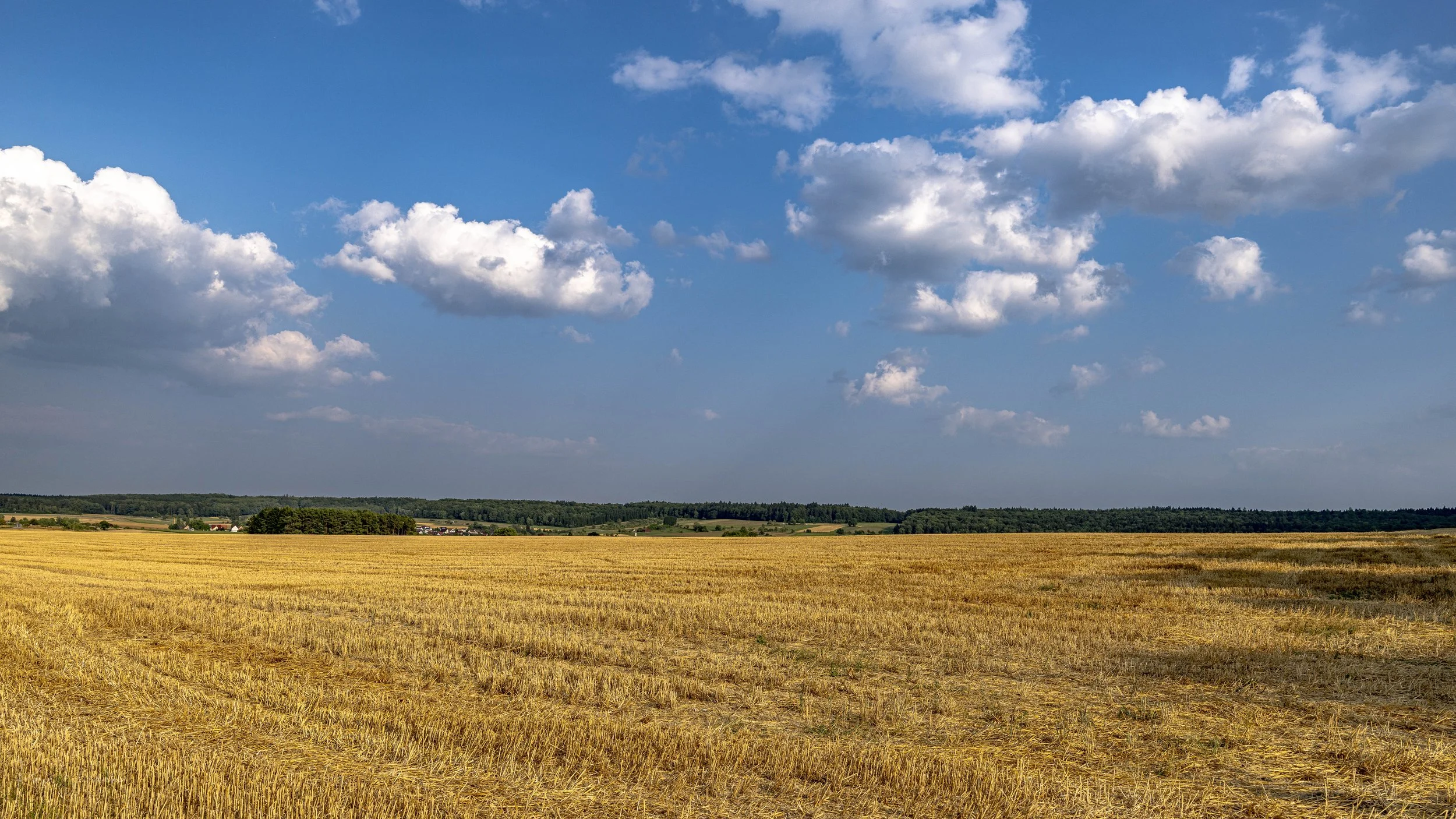
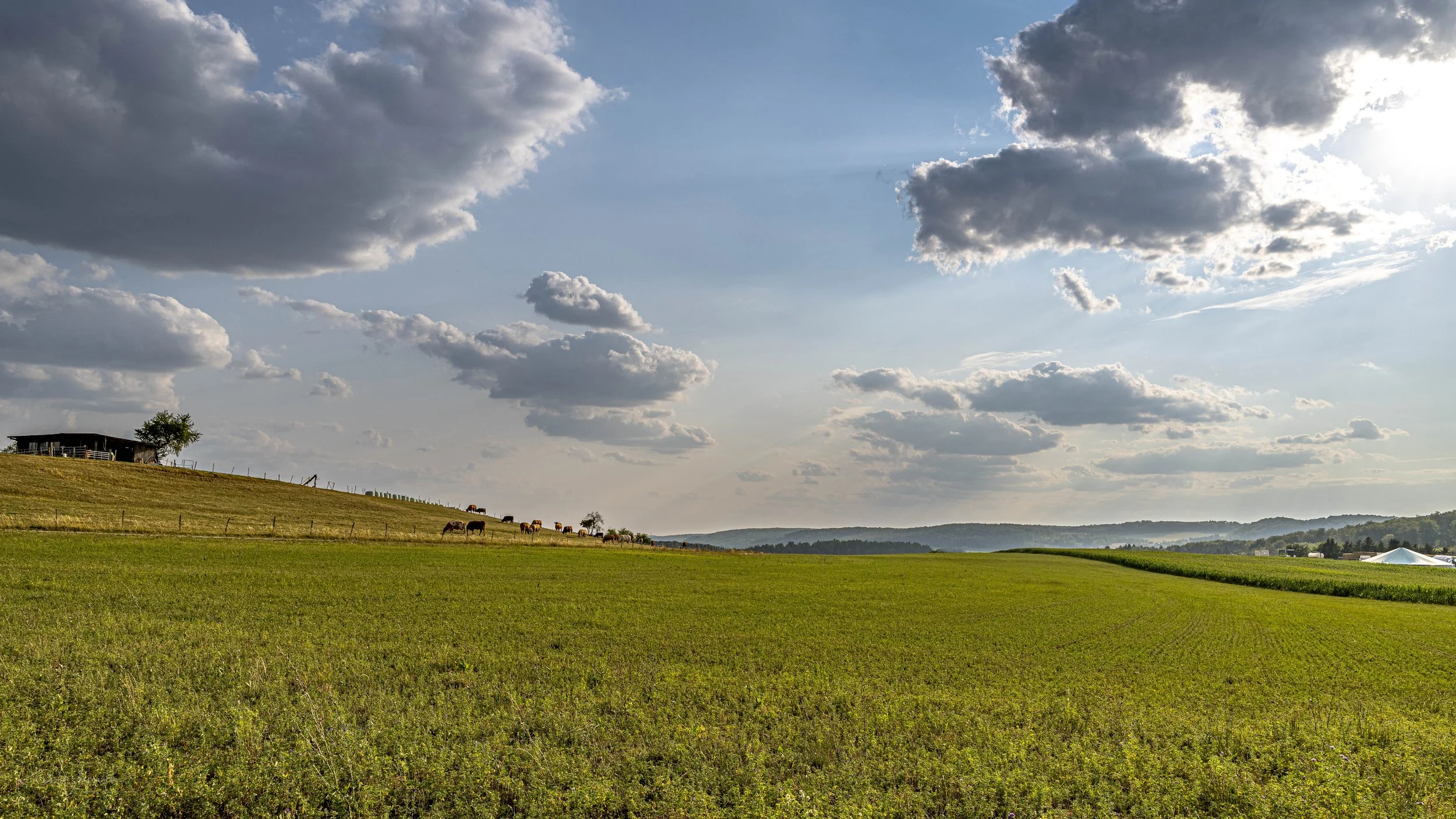
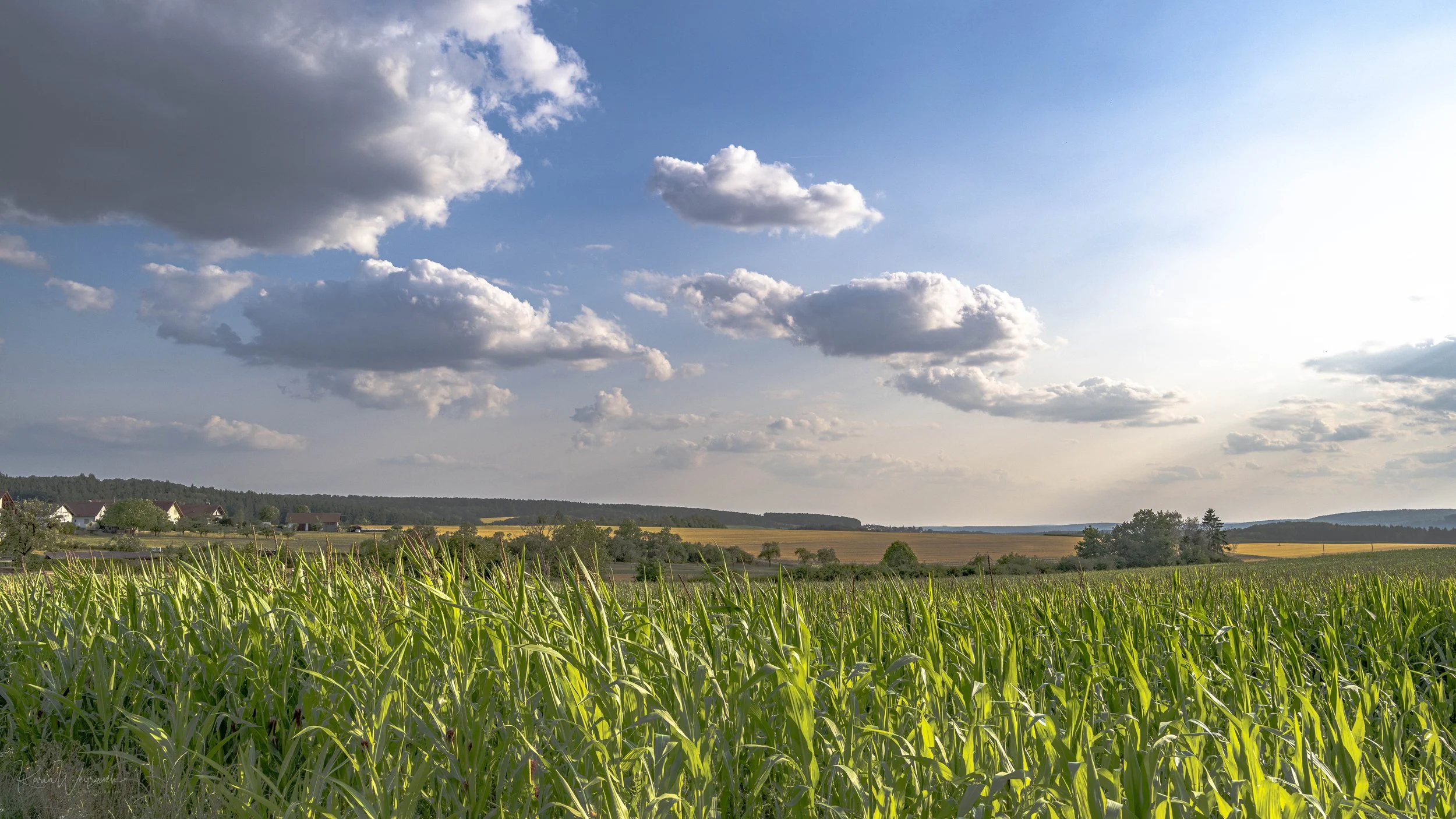
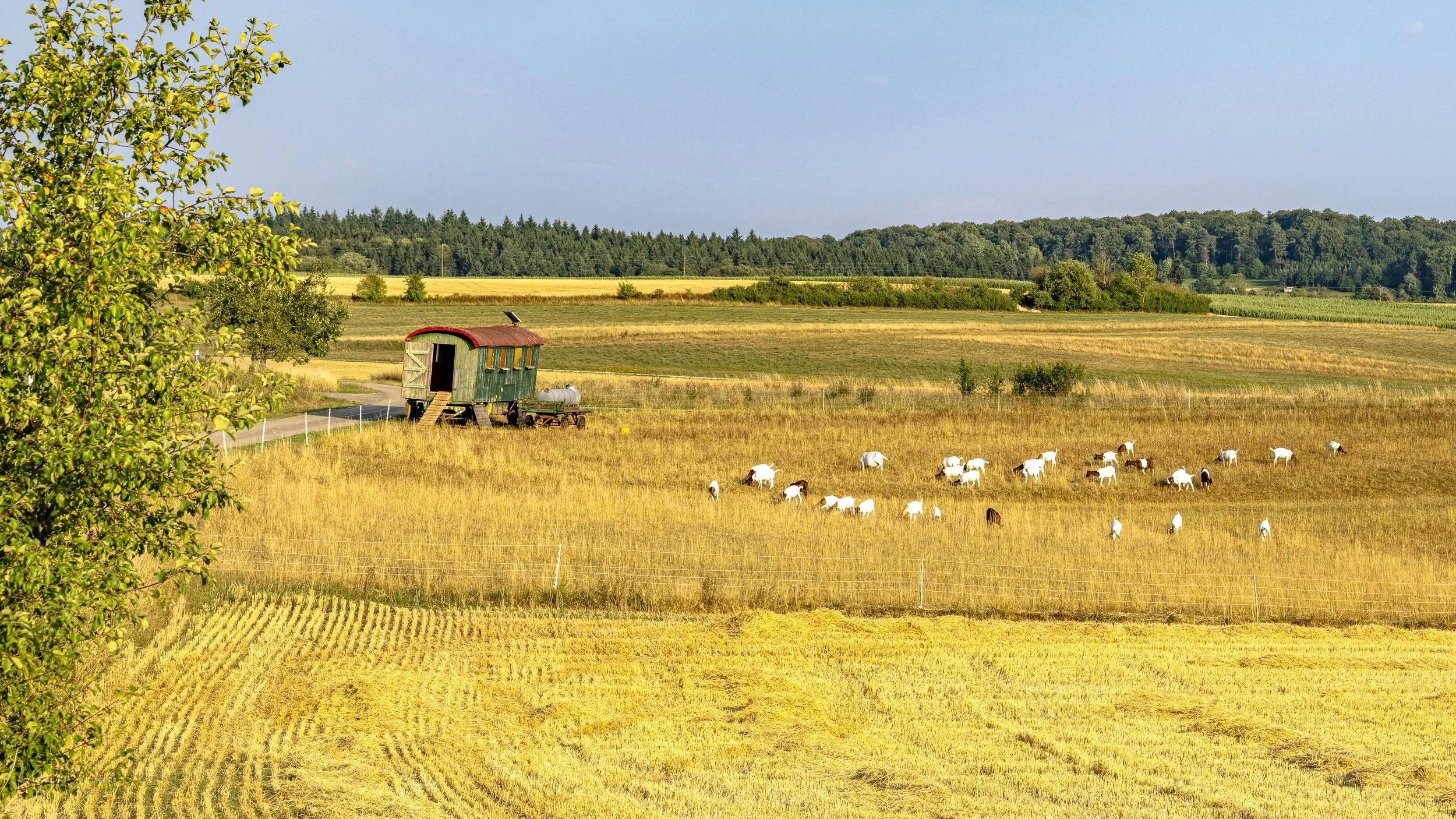
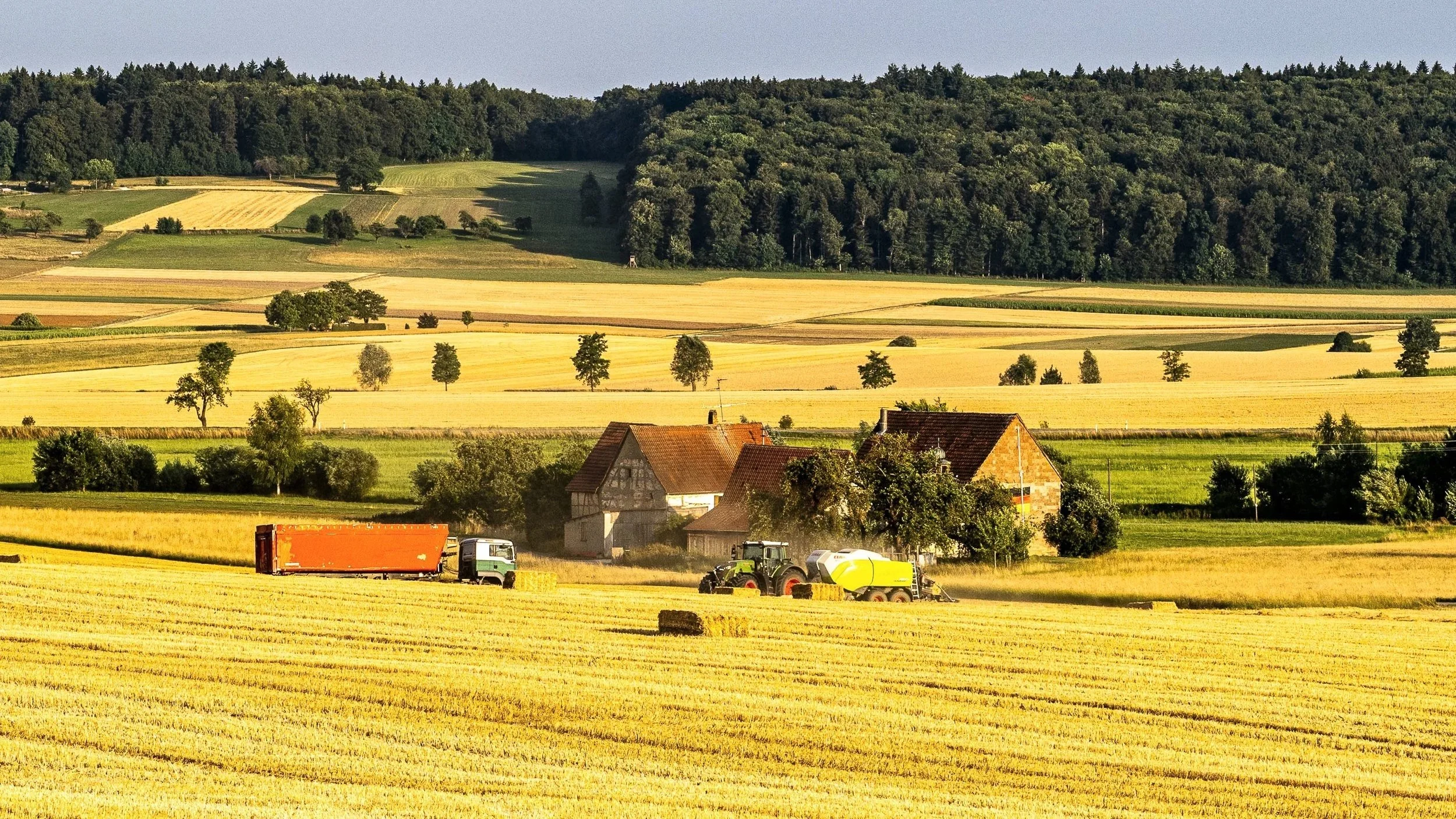
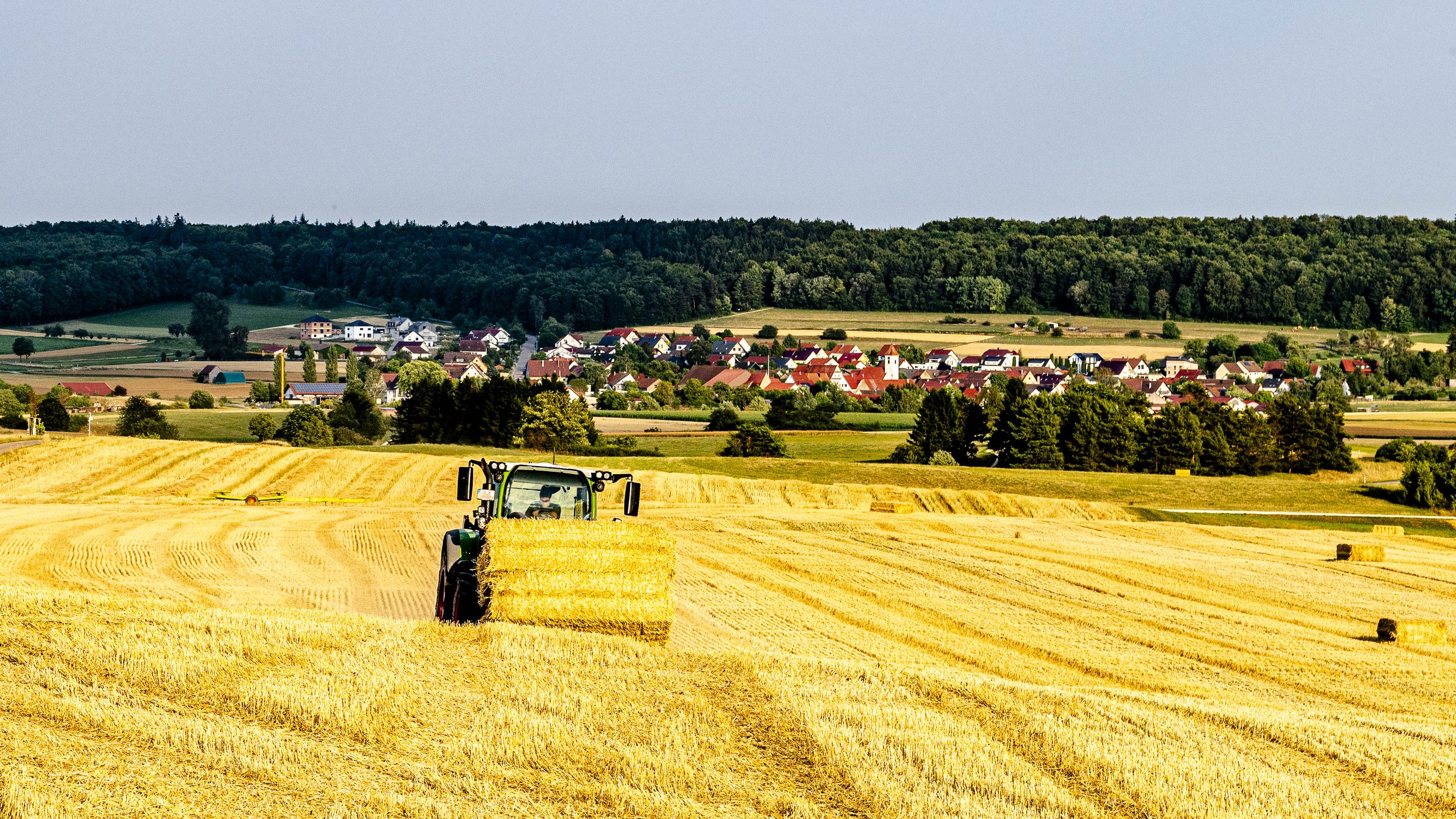
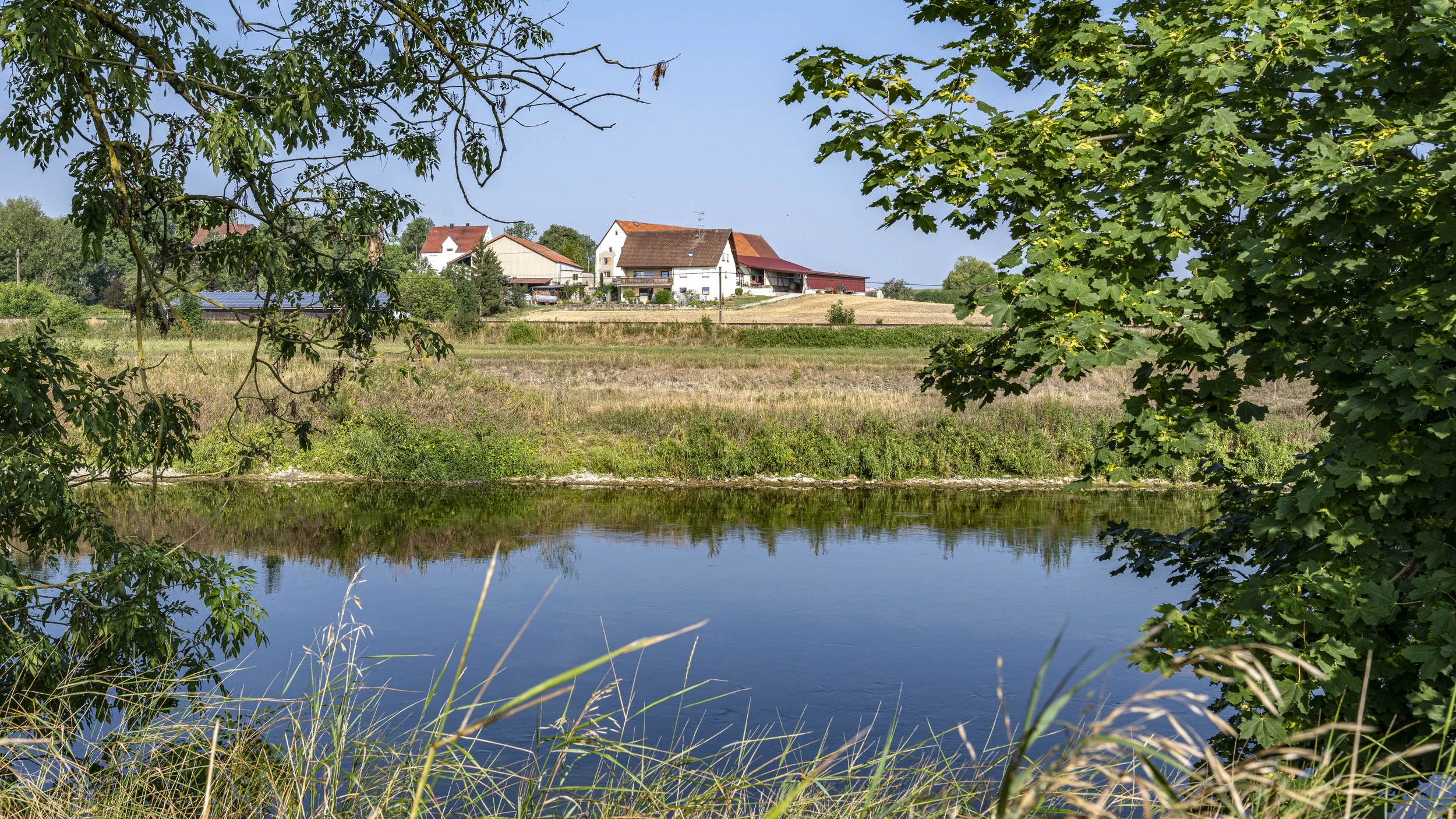
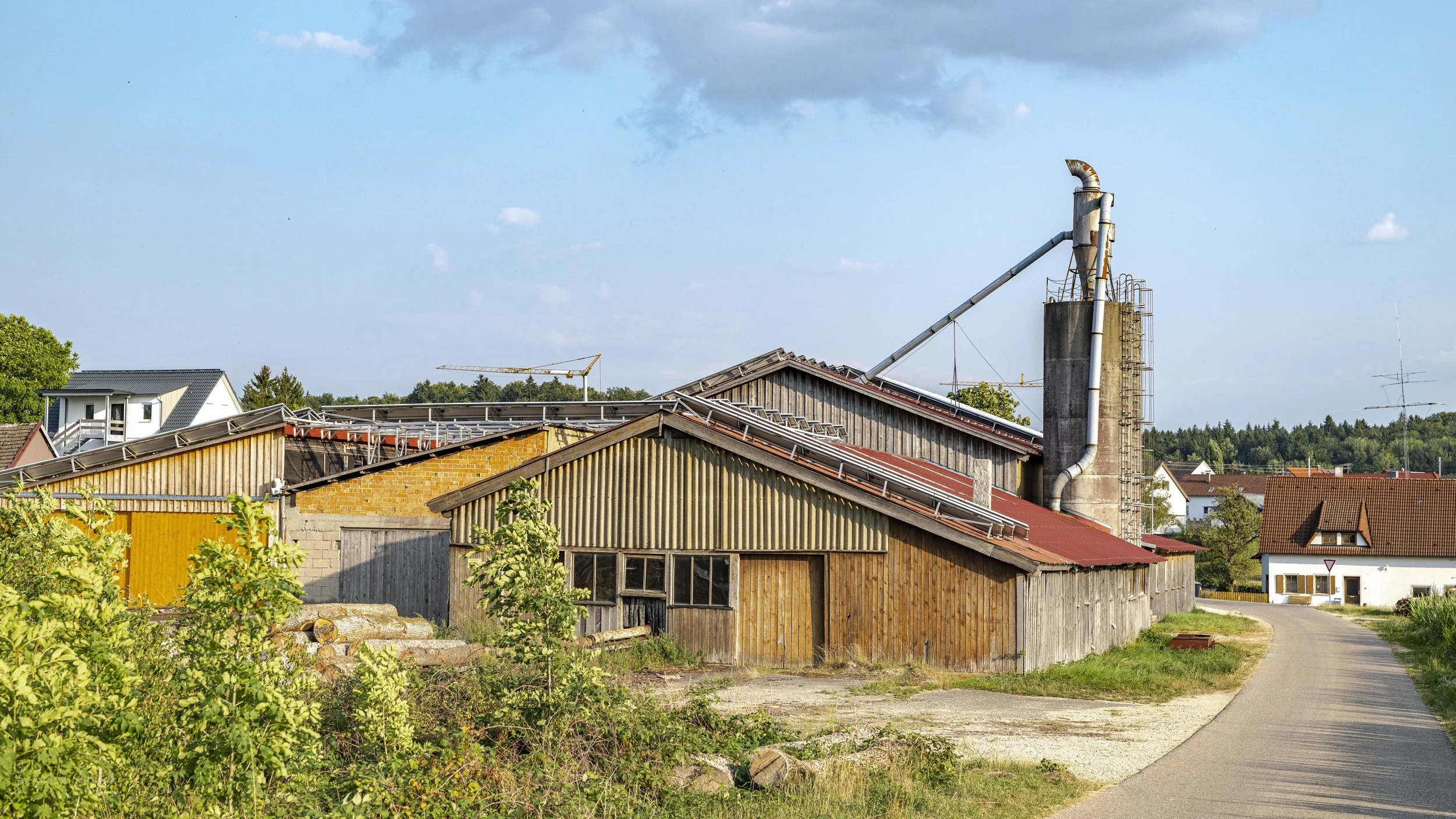
In the countryside surrounding Ehingen, the rural and the industrial do not appear as separate realms: they share the same territory, horizon and everyday life. Factories, fields and villages do not seem to belong to different worlds. They follow one another, overlap and, over time, become part of a single geography.
This coexistence has intrigued me for almost forty years, ever since I left Argentina to live in Söflingen, in Ulm. I suddenly found myself surrounded by tractors and pigs. There was a paradox in that experience that has stayed with me ever since: I had come from one of the world’s great agricultural countries, yet, except at the annual Rural Exhibition in Buenos Aires, I had hardly ever seen tractors or farm animals. Agriculture had shaped my idea of Argentina, its economy and even its identity, but it had not been part of my everyday experience. Its presence was immense and, at the same time, remote.
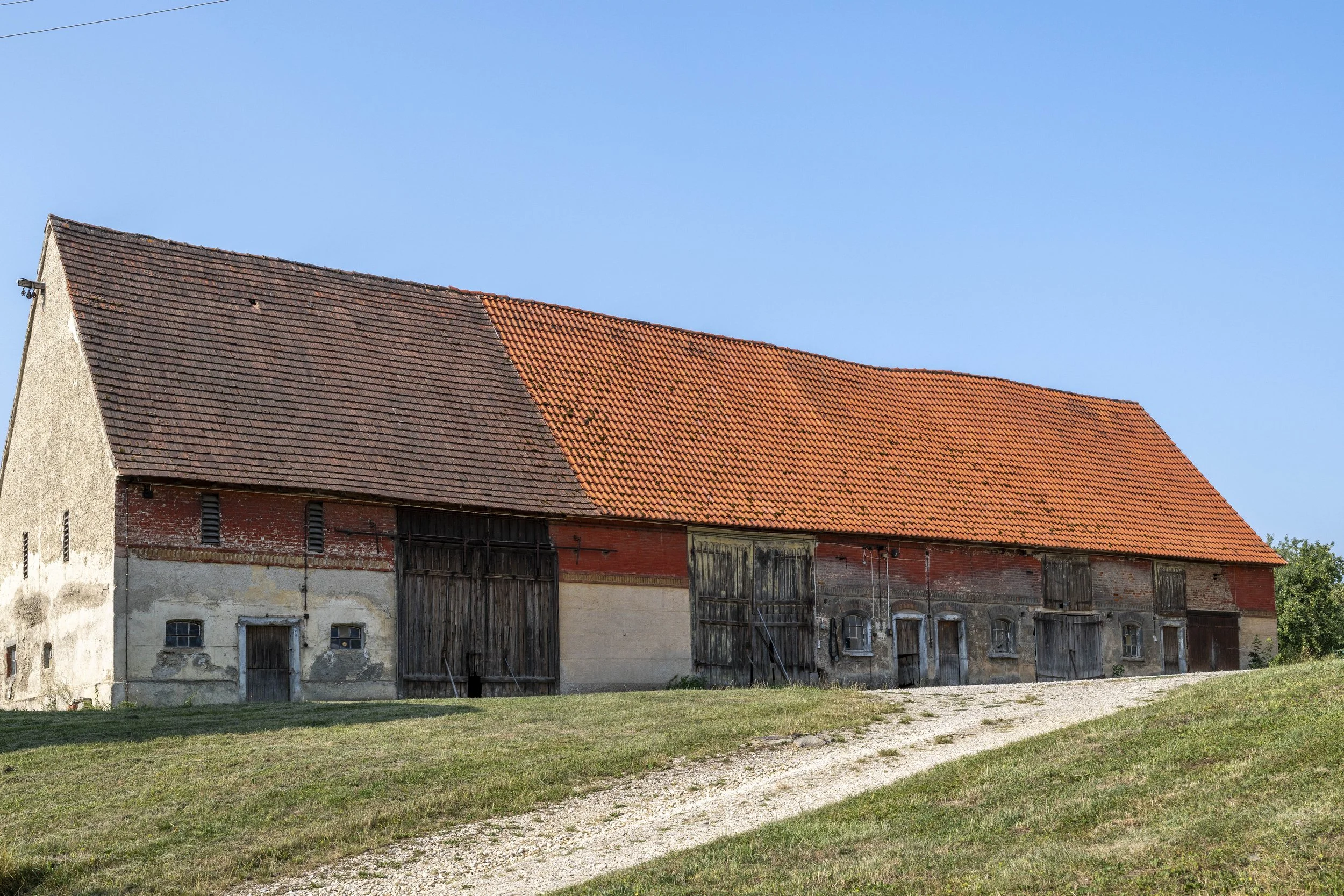
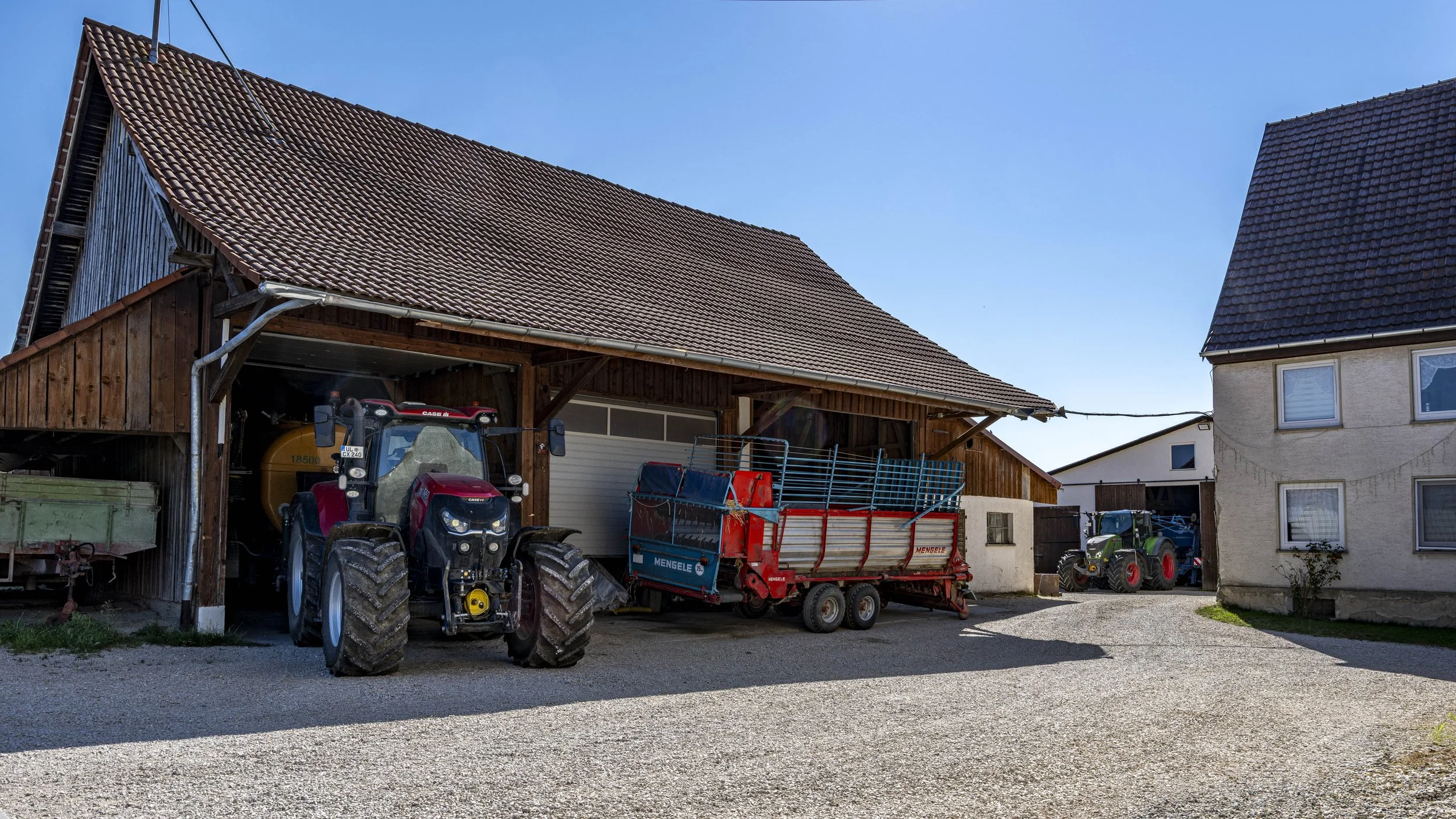
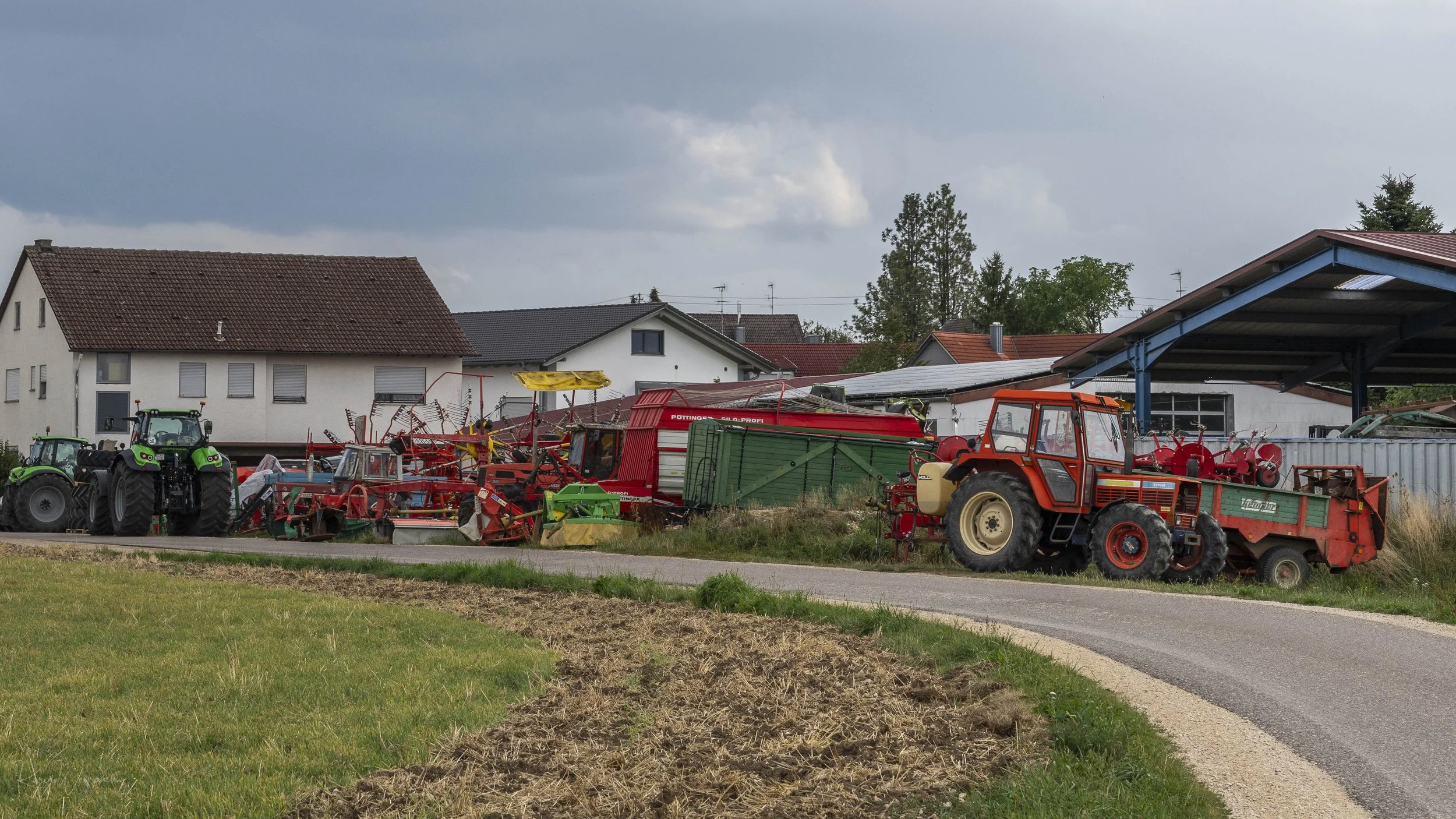
In Germany, by contrast, the countryside revealed itself as something close at hand. Tractors passed through villages and shared the streets with cars. Animals, barns and the smell of the earth were not confined to some distant territory: they were part of daily life. What I had known in Argentina mainly as a concept assumed a visible, tangible and immediate scale here.
Over the years, I began to notice another distinctive feature of this landscape: industry does not necessarily appear as a foreign body arriving from elsewhere to occupy the countryside. Many of these companies were founded here, grew alongside their communities and eventually became part of the territory in which they first emerged. Their structures altered the horizon, but in time they, too, became part of it.
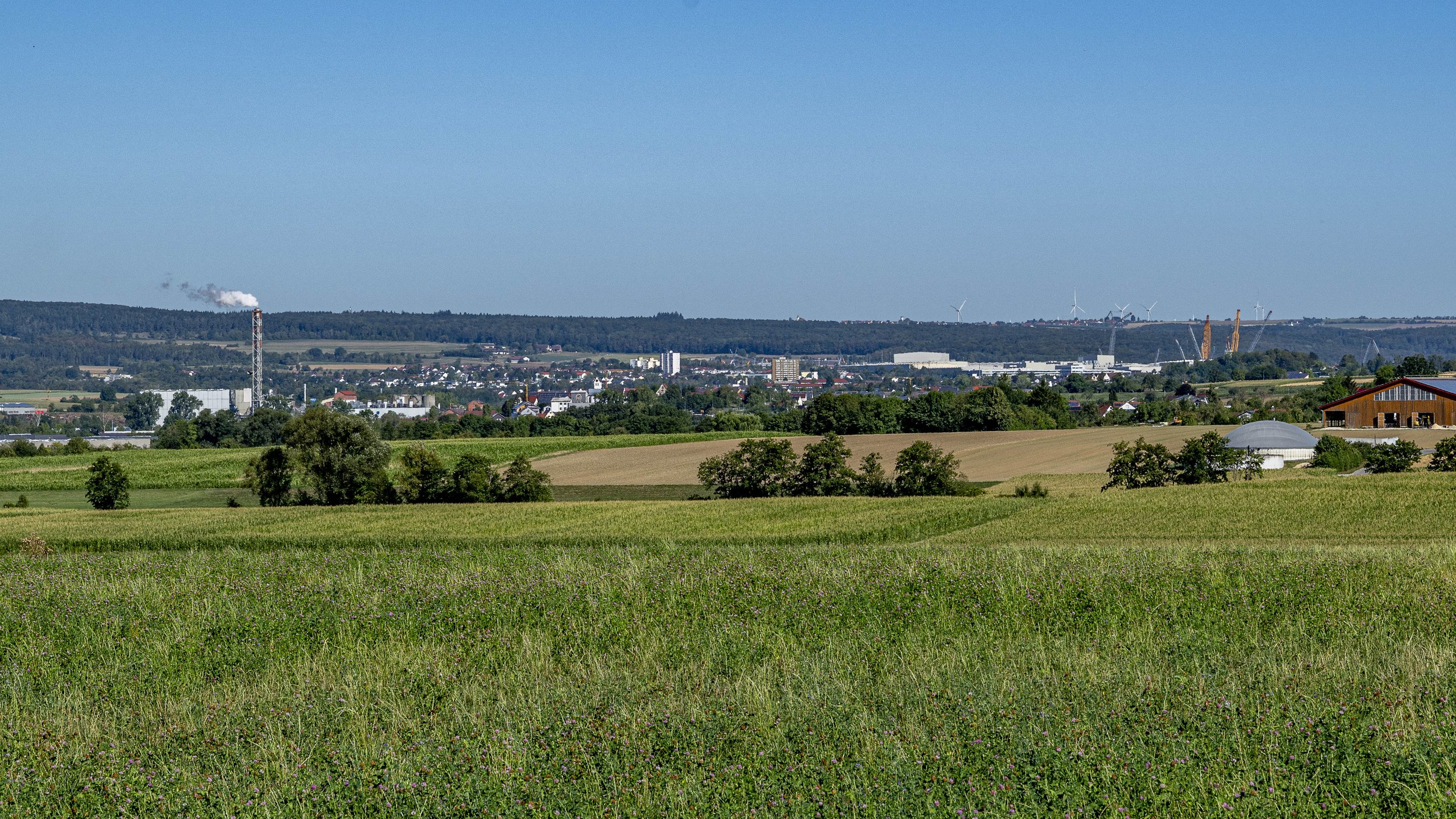
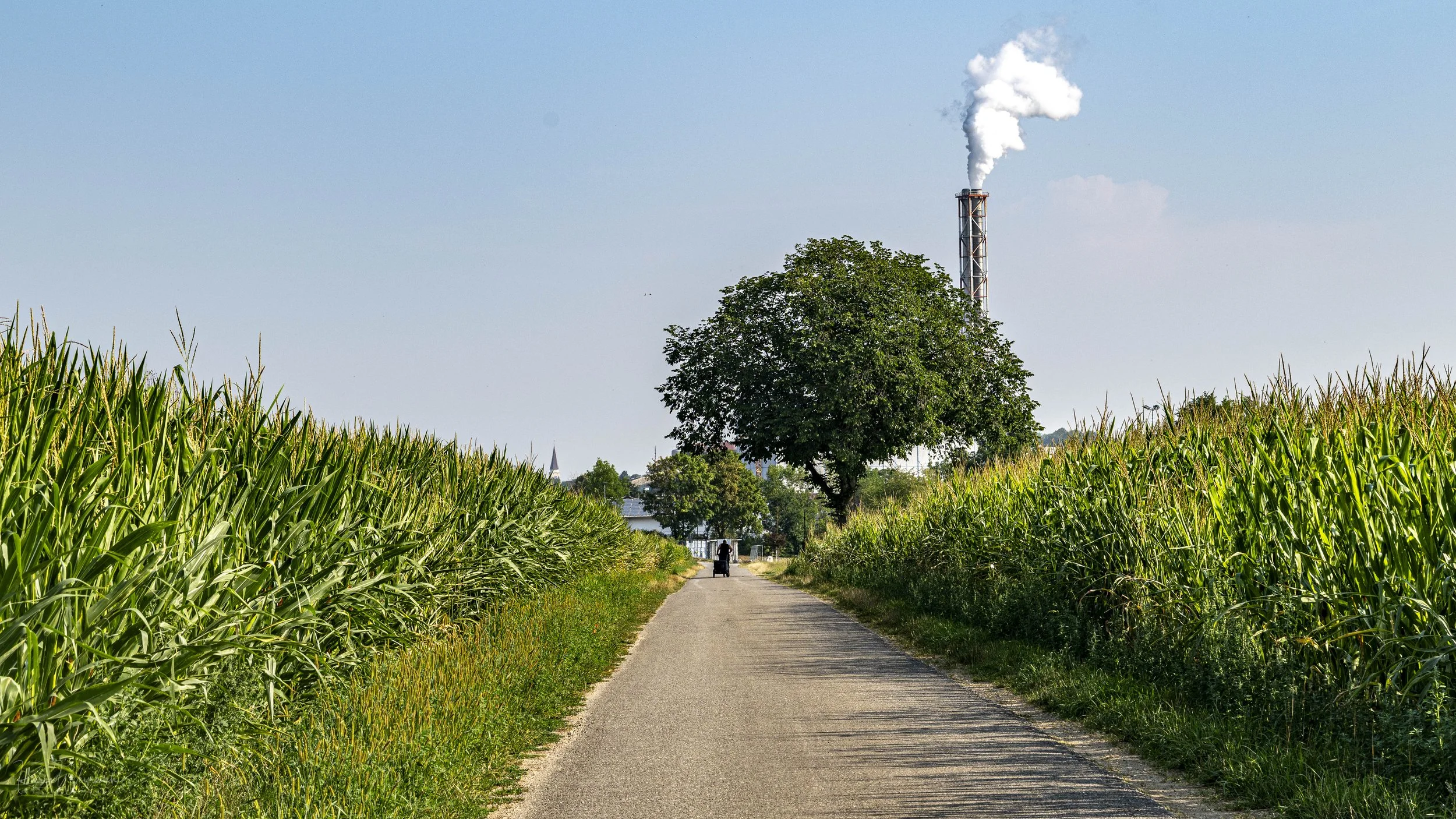
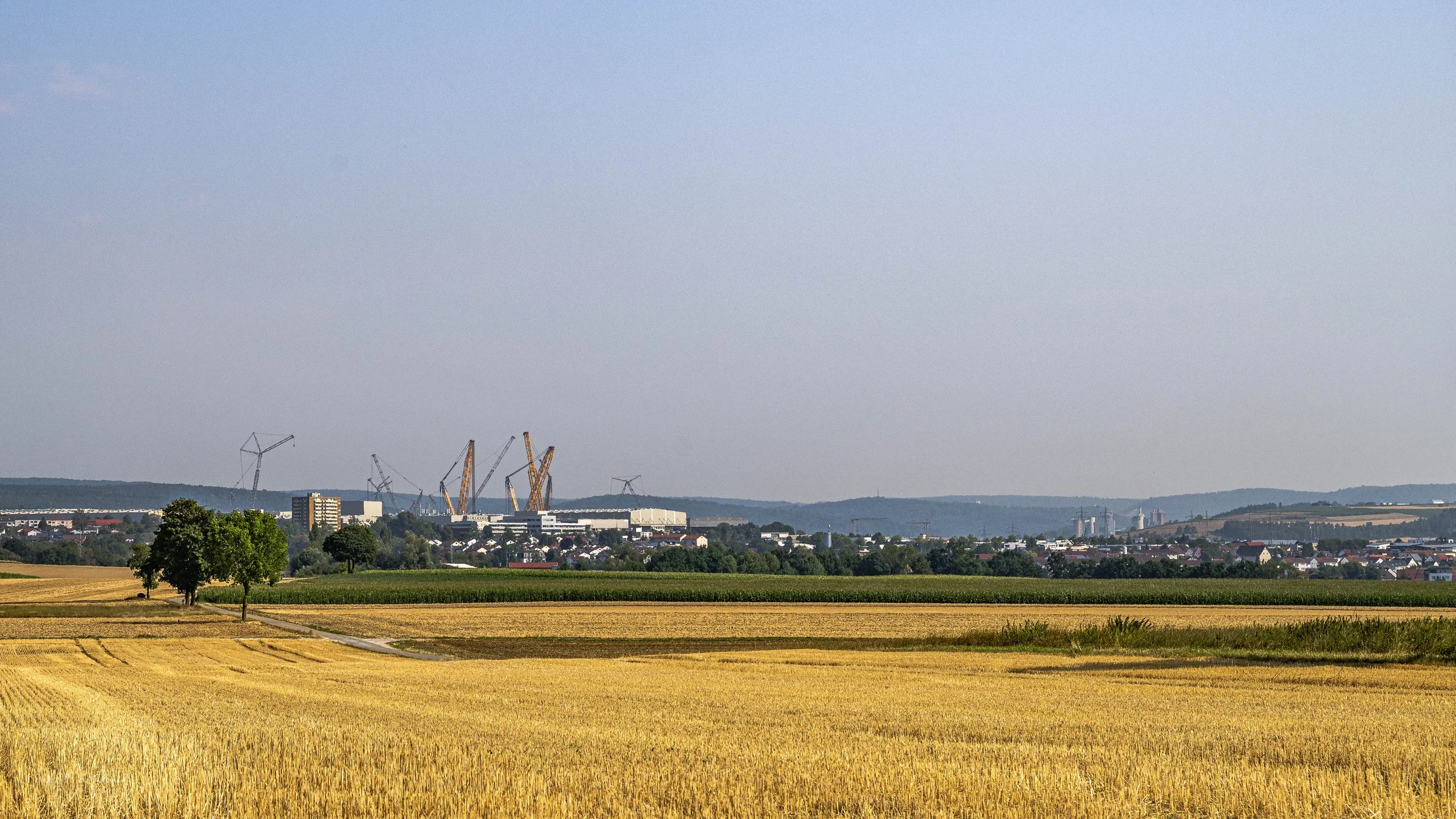
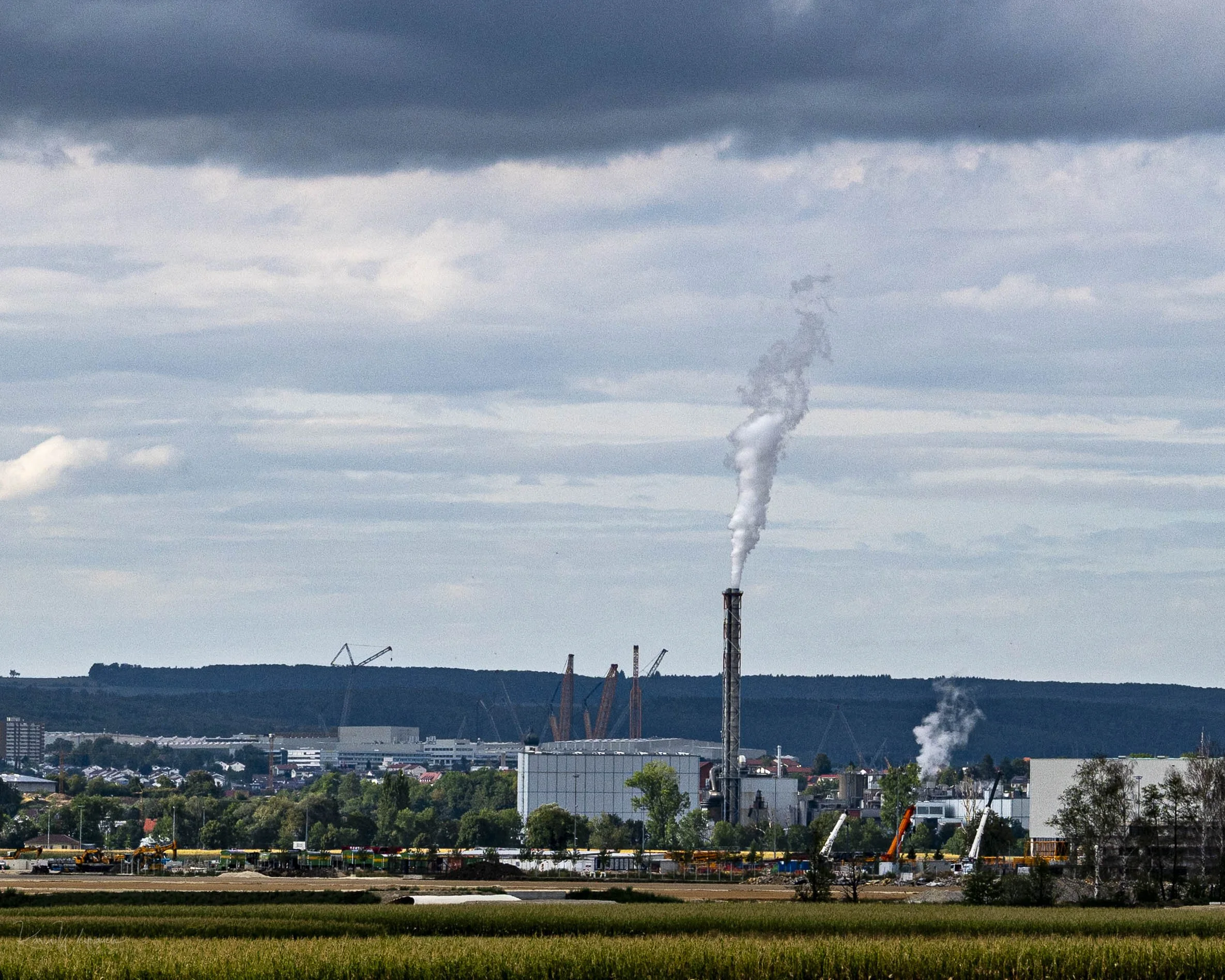
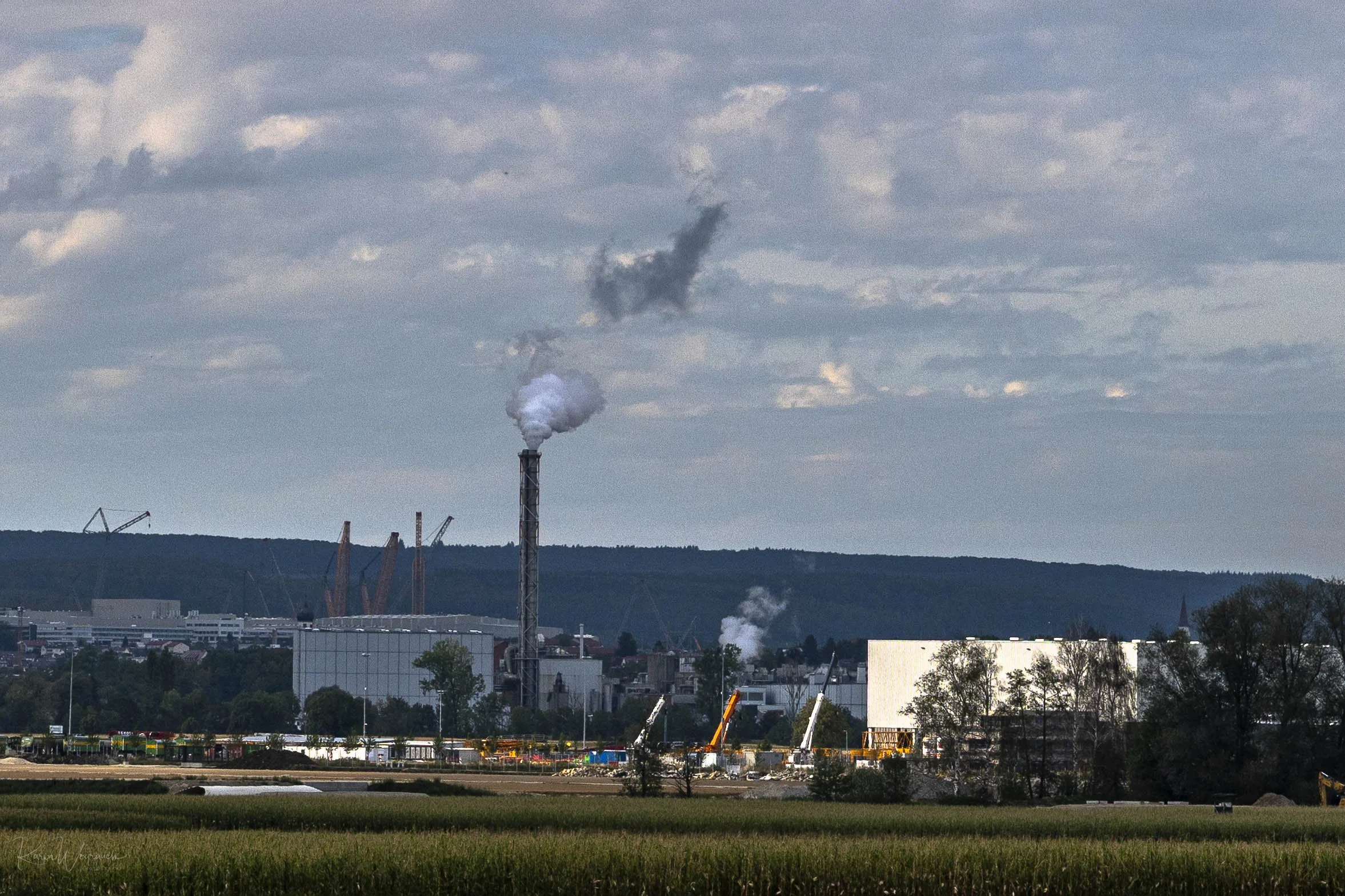
From a distance, the Sappi chimney can be clearly seen. Its plume of steam, always visible, reveals the presence of the wind, its direction and its force. Farther away, Liebherr’s slender cranes reach into the sky, drawing a second line across the horizon. Around them remain deep-green forests and fields whose colours change with the rhythm of sowing and harvest.
What allows a factory to become part of a landscape? Time, familiarity, its relationship with those who live around it? At what point do a chimney or a crane cease to be perceived solely as signs of human intervention and become landmarks in their own right?
I do not intend to answer these questions through these photographs. I am interested in remaining within that space of coexistence and tension: observing how the rural and the industrial approach one another, contradict one another and, at times, seem to depend on one another. It is not a matter of idealising this relationship or ignoring its potential conflicts, but of acknowledging a reality more complex than the simple opposition between nature and industry.
Photographing this territory is also a way of returning to that first sense of surprise I experienced in Söflingen. Of asking myself why the countryside became visible to me so far from the agricultural country I came from, and how our perception of a landscape can change once we stop regarding it as nature alone. Perhaps every landscape is, ultimately, a shared construction: between the land and those who work it, between what is inherited and what is transformed, between what we believe we are observing and that of which we, too, are a part.
↑ Top
Paisaje Compartido
En los alrededores de Ehingen, el paisaje rural y el industrial no aparecen separados: comparten territorio, horizonte y vida cotidiana. Las fábricas, los campos y los pueblos no parecen pertenecer a mundos diferentes. Se suceden, se superponen y, con el tiempo, terminan formando una única geografía.
Esta convivencia me inquieta desde hace casi cuarenta años, cuando llegué desde Argentina para vivir en Söflingen, en Ulm. Me encontré entonces poco menos que entre tractores y cerdos. La experiencia encerraba una paradoja que todavía me acompaña: yo venía de uno de los grandes países agrícolas del mundo y, sin embargo, salvo en la Exposición Rural, apenas había visto tractores o animales de granja. La agricultura argentina había formado parte de mi idea del país, de su economía y hasta de su identidad, pero no de mi experiencia cotidiana. Era una presencia inmensa y, al mismo tiempo, lejana.
En Alemania, en cambio, el campo se me presentó como algo próximo. Los tractores atravesaban los pueblos y compartían las calles con los automóviles. Los animales, los establos y el olor de la tierra no estaban relegados a un territorio remoto: formaban parte de la vida diaria. Aquello que en Argentina había conocido principalmente como concepto, aquí tenía una escala visible, concreta y cercana.
Con los años comencé también a observar otra particularidad de este paisaje: la industria no necesariamente aparece como un cuerpo extraño que llega desde afuera para ocupar el campo. Muchas de estas empresas nacieron allí, crecieron junto a sus comunidades y acabaron integrándose en el territorio que las vio surgir. Sus construcciones modificaron el horizonte, pero también pasaron a formar parte de él.
Desde lejos se distingue la chimenea de Sappi. Su columna de vapor, siempre visible, revela la presencia del viento, su dirección y su fuerza. Más allá, las estilizadas grúas de Liebherr se elevan hacia el cielo y dibujan una segunda línea sobre el horizonte. A su alrededor permanecen los bosques de un verde profundo y los campos cuyos colores cambian al ritmo de las siembras y las cosechas.
¿Qué hace que una fábrica llegue a pertenecer a un paisaje? ¿El tiempo, la familiaridad, la relación con quienes viven a su alrededor? ¿En qué momento una chimenea o una grúa dejan de percibirse únicamente como signos de intervención y se convierten también en referencias del lugar?
No pretendo responder esas preguntas con estas fotografías. Me interesa permanecer en esa zona de convivencia y de tensión: observar cómo lo rural y lo industrial se acercan, se contradicen y, a veces, parecen necesitarse. No se trata de idealizar esa relación ni de borrar sus posibles conflictos, sino de reconocer una realidad más compleja que la oposición entre naturaleza e industria.
Fotografiar este territorio es también una manera de volver sobre aquella primera sorpresa de Söflingen. De preguntarme por qué el campo se hizo visible para mí tan lejos del país agrícola del que provenía y cómo una imagen del paisaje puede cambiar cuando dejamos de considerarlo únicamente naturaleza. Quizá todo paisaje sea, en el fondo, una construcción compartida: entre la tierra y quienes la trabajan, entre lo heredado y lo transformado, entre aquello que creemos contemplar y aquello de lo que también formamos parte.
↑ Arriba
Eine Gemeinsame Landschaft
In der Umgebung von Ehingen erscheinen ländlicher Raum und Industrie nicht voneinander getrennt: Sie teilen sich dasselbe Gebiet, denselben Horizont und denselben Alltag. Fabriken, Felder und Dörfer scheinen nicht verschiedenen Welten anzugehören. Sie folgen aufeinander, überlagern sich und fügen sich im Laufe der Zeit zu einer gemeinsamen Geografie.
Dieses Nebeneinander beschäftigt mich seit beinahe vierzig Jahren – seit ich aus Argentinien nach Söflingen in Ulm kam, um dort zu leben. Plötzlich fand ich mich nahezu zwischen Traktoren und Schweinen wieder. In dieser Erfahrung lag ein Widerspruch, der mich bis heute begleitet: Ich kam aus einem der großen Agrarländer der Welt und hatte dennoch – abgesehen von der alljährlichen Landwirtschaftsausstellung La Rural in Buenos Aires – kaum je Traktoren oder Nutztiere gesehen. Die Landwirtschaft war Teil meiner Vorstellung von Argentinien, von seiner Wirtschaft und sogar von seiner Identität gewesen, nicht aber Teil meines Alltags. Ihre Präsenz war gewaltig und zugleich weit entfernt.
In Deutschland hingegen begegnete mir das Landleben aus unmittelbarer Nähe. Traktoren fuhren durch die Dörfer und teilten sich die Straßen mit den Autos. Tiere, Ställe und der Geruch der Erde waren nicht in eine ferne Gegend ausgelagert, sondern gehörten zum täglichen Leben. Was ich in Argentinien vor allem als abstrakte Vorstellung gekannt hatte, erhielt hier eine sichtbare, konkrete und unmittelbar erfahrbare Dimension.
Mit den Jahren begann ich eine weitere Besonderheit dieser Landschaft wahrzunehmen: Die Industrie erscheint hier nicht zwangsläufig als Fremdkörper, der von außen kommt und den ländlichen Raum besetzt. Viele dieser Unternehmen sind vor Ort entstanden, gemeinsam mit ihren Gemeinden gewachsen und schließlich Teil jener Gegend geworden, in der sie ihren Anfang nahmen. Ihre Anlagen veränderten den Horizont, wurden mit der Zeit aber selbst zu einem Bestandteil dieses Horizonts.
Schon von Weitem ist der Schornstein von Sappi zu erkennen. Seine stets sichtbare Dampffahne zeigt den Wind, seine Richtung und seine Stärke. Weiter entfernt ragen die schlanken Kräne von Liebherr in den Himmel und zeichnen eine zweite Linie über den Horizont. Um sie herum erstrecken sich weiterhin tiefgrüne Wälder und Felder, deren Farben sich im Rhythmus von Aussaat und Ernte verändern.
Was lässt eine Fabrik zu einem Teil der Landschaft werden? Ist es die Zeit, die Vertrautheit, ihre Beziehung zu den Menschen, die in ihrer Umgebung leben? Wann werden ein Schornstein oder ein Kran nicht mehr ausschließlich als Zeichen menschlichen Eingreifens wahrgenommen, sondern auch als Orientierungspunkte eines Ortes?
Mit diesen Fotografien möchte ich keine Antworten auf diese Fragen geben. Mich interessiert vielmehr, in diesem Spannungsfeld von Zusammenleben und Widerspruch zu verweilen: zu beobachten, wie sich Landwirtschaft und Industrie einander annähern, einander widersprechen und bisweilen voneinander abhängig zu sein scheinen. Es geht mir weder darum, dieses Verhältnis zu idealisieren, noch darum, mögliche Konflikte auszublenden. Vielmehr möchte ich eine Wirklichkeit sichtbar machen, die komplexer ist als der bloße Gegensatz zwischen Natur und Industrie.
Dieses Gebiet zu fotografieren bedeutet für mich auch, zu jenem ersten Erstaunen in Söflingen zurückzukehren. Mich zu fragen, weshalb das Landleben für mich ausgerechnet so weit entfernt von dem Agrarland sichtbar wurde, aus dem ich stamme – und wie sich unser Blick auf eine Landschaft verändert, sobald wir aufhören, sie ausschließlich als Natur zu betrachten. Vielleicht ist jede Landschaft letztlich ein gemeinsames Werk: zwischen der Erde und den Menschen, die sie bearbeiten, zwischen dem Überlieferten und dem Veränderten, zwischen dem, was wir zu betrachten glauben, und dem, wovon auch wir selbst ein Teil sind.
↑ Anfang