
Greek Macedonia: Landscape and Memory
Landscape and Memory
Before arriving in Macedonia, Alexander the Great and his father, Philip II, belonged to a distant history for me. I knew their names, but I had never imagined their cities, the places in which they lived, or the landscape from which a decisive transformation of the ancient world began.
Encountering them there was a revelation.
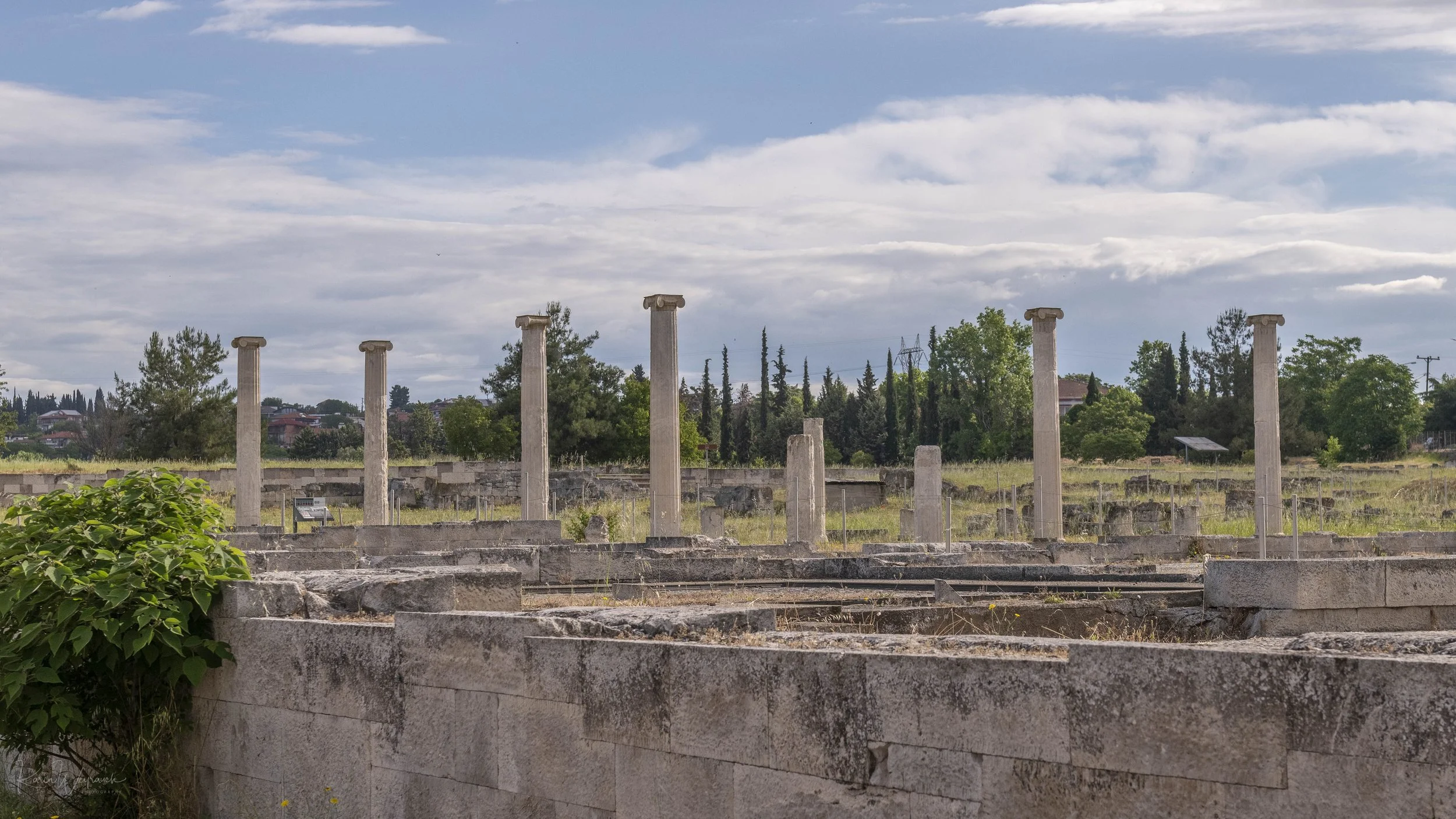
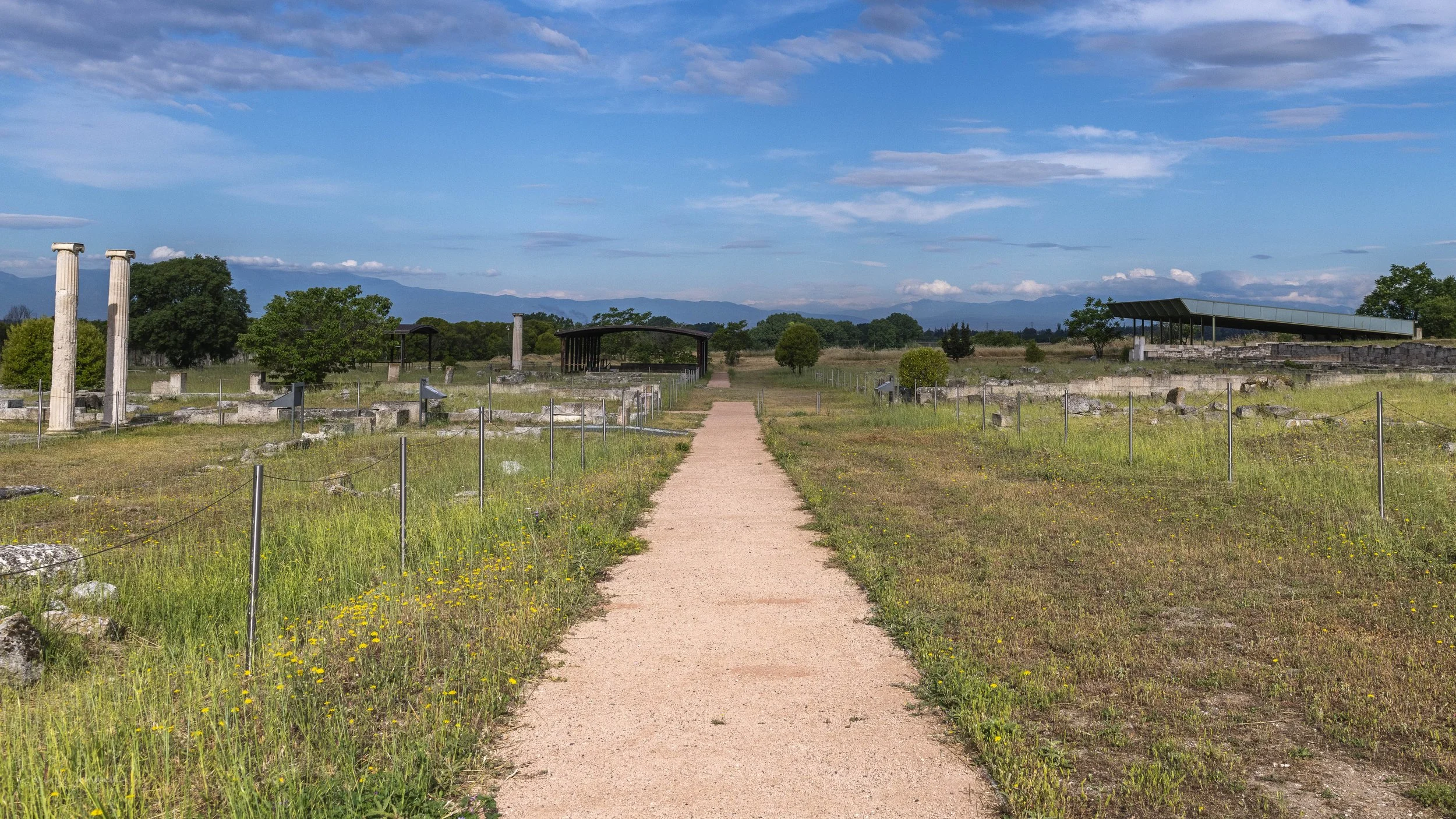
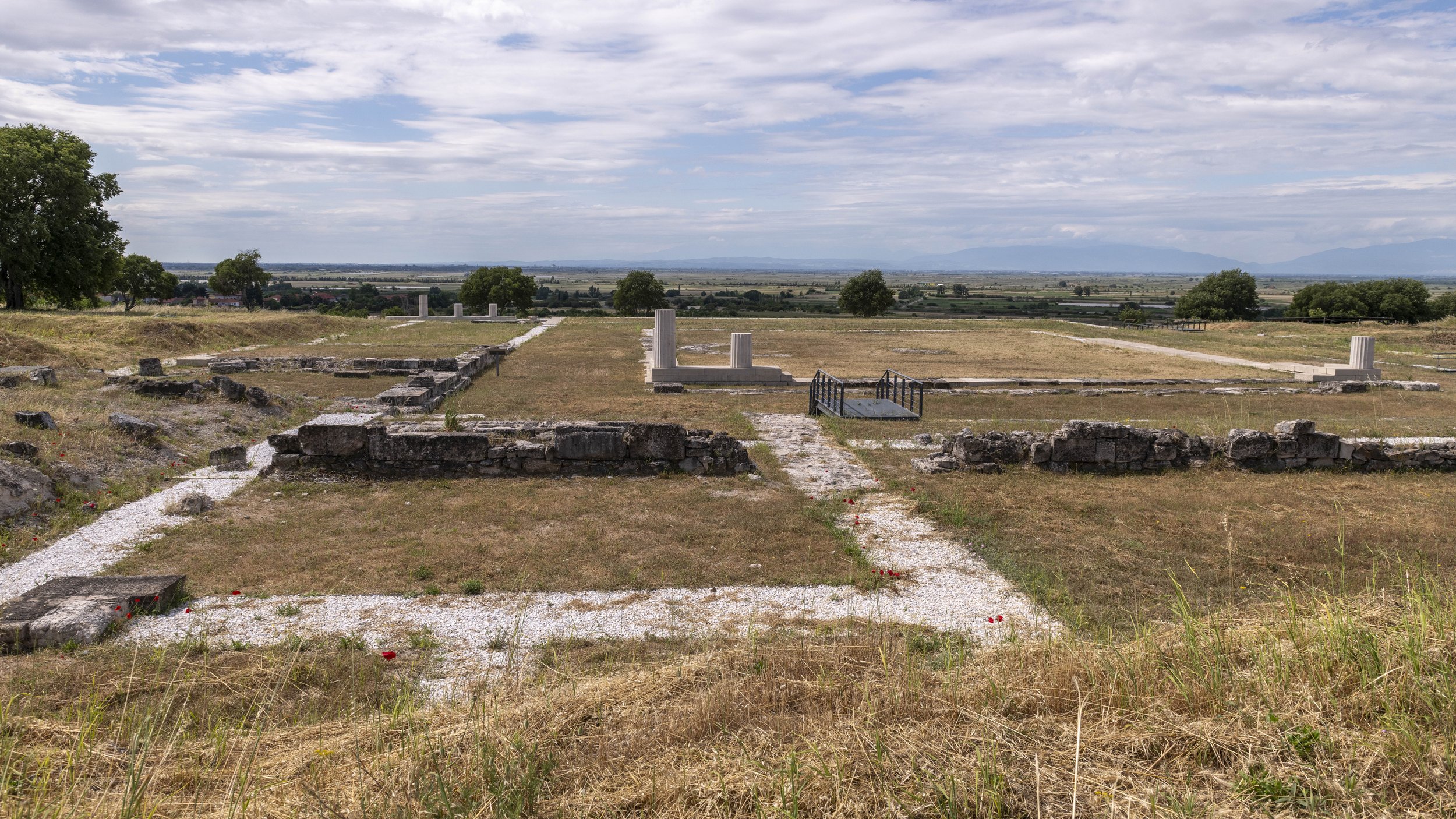
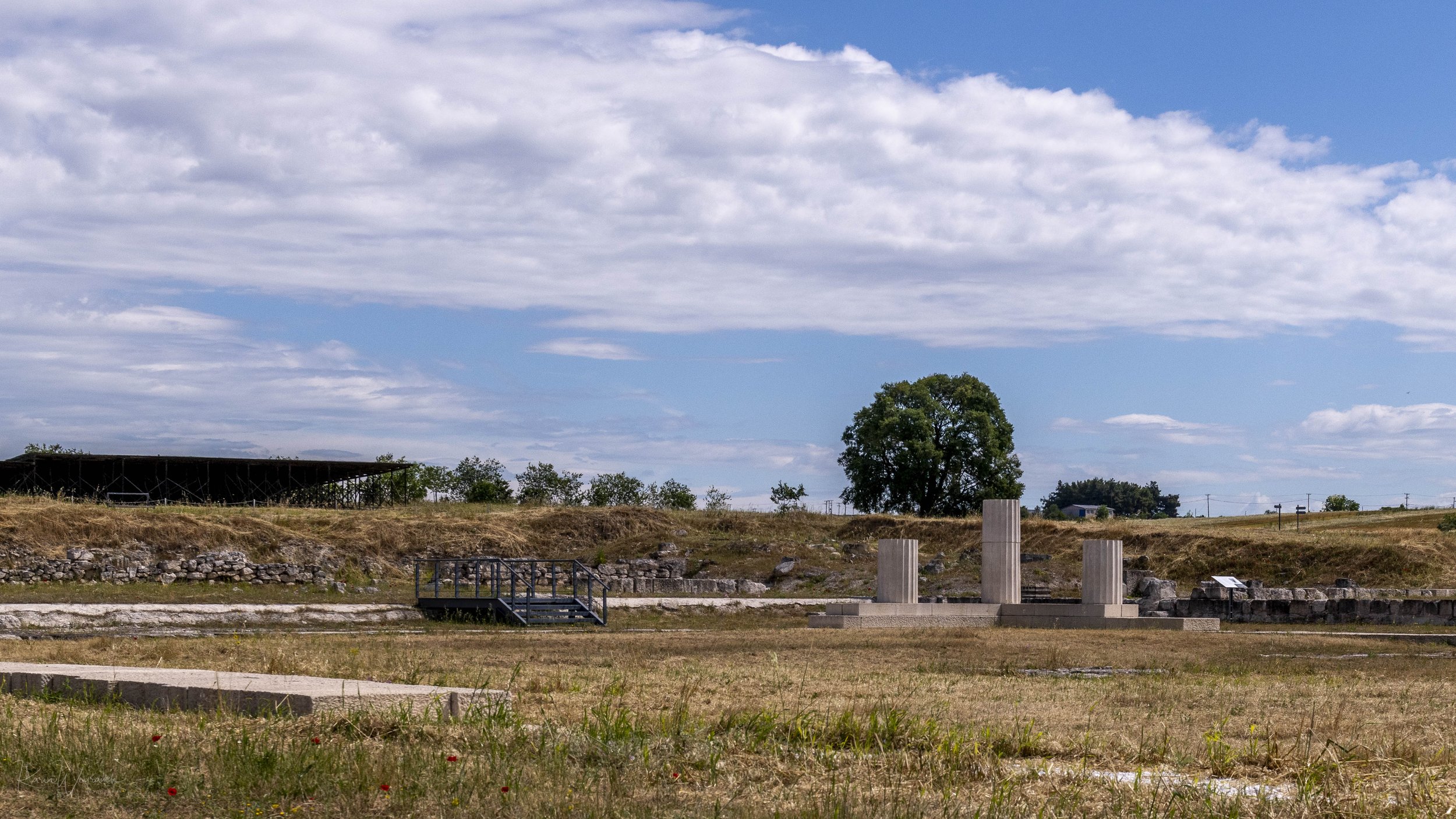
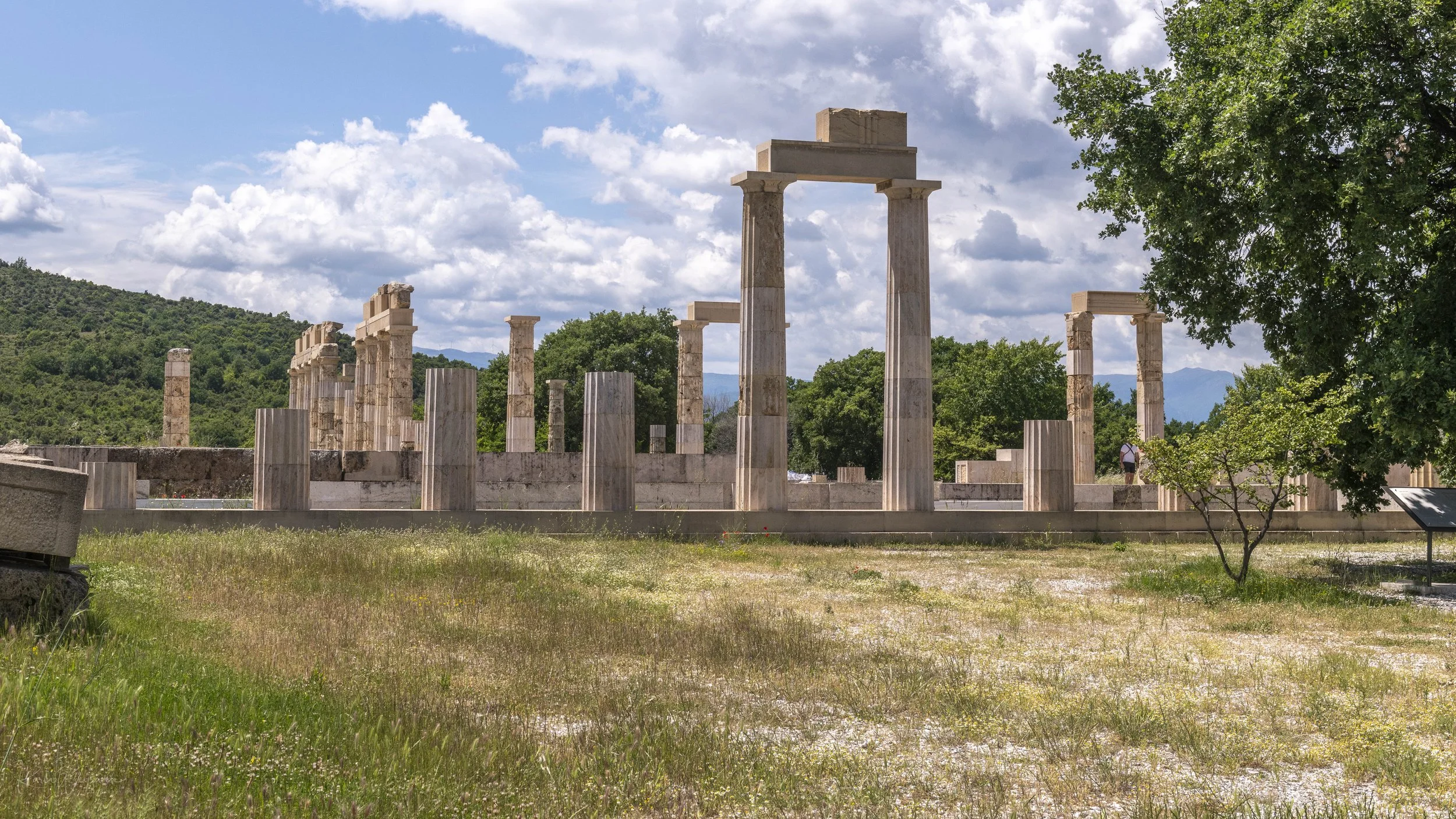
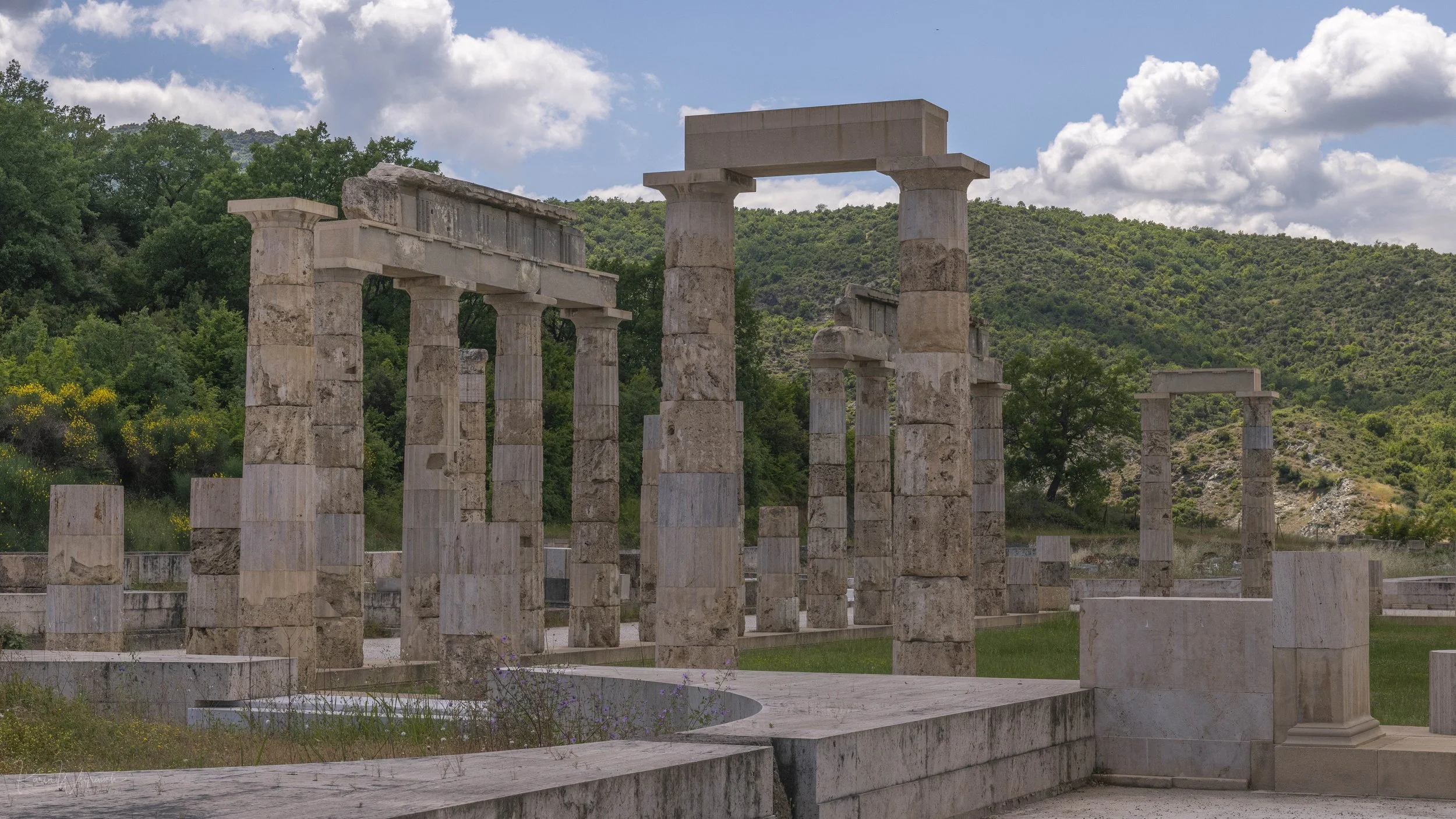
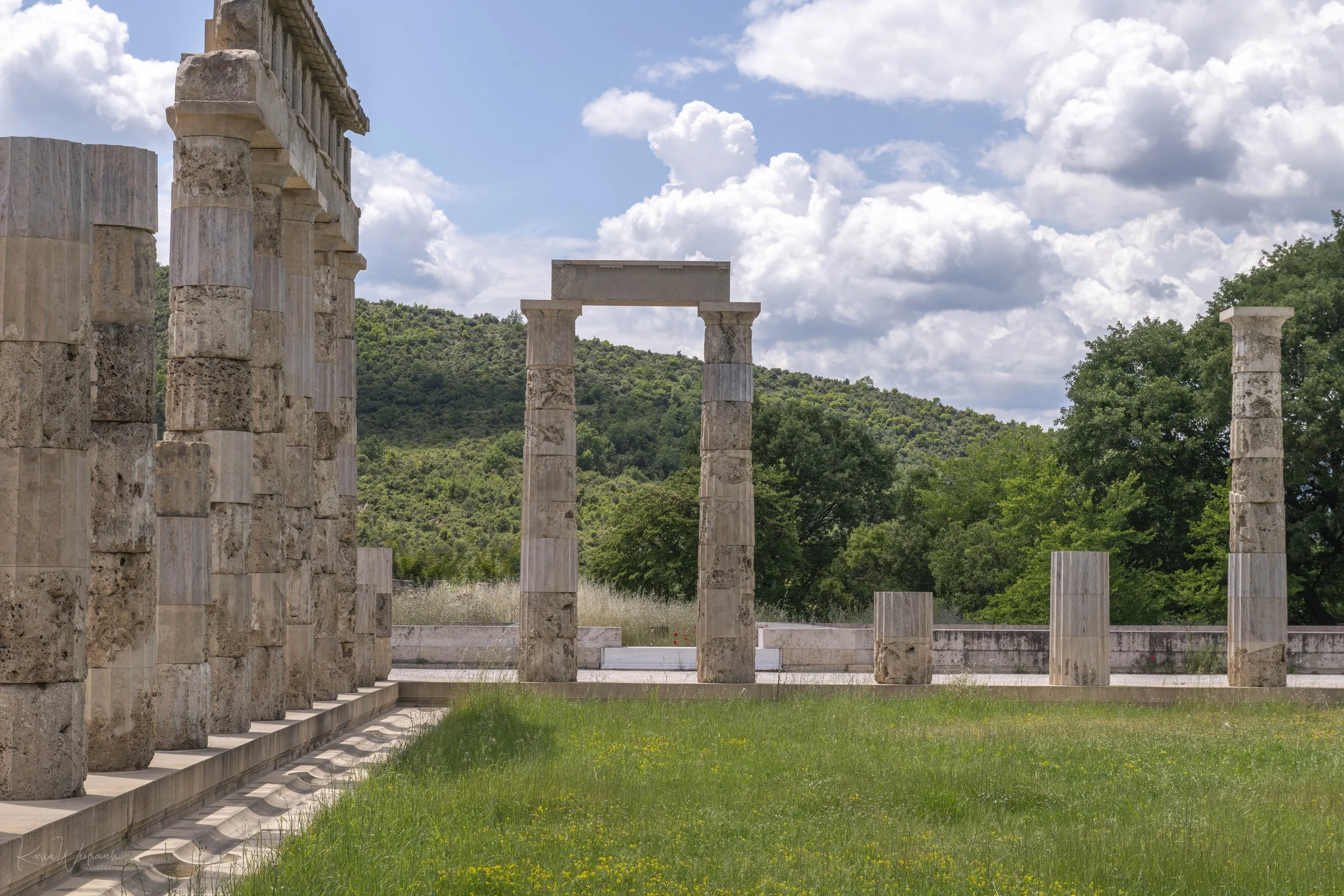
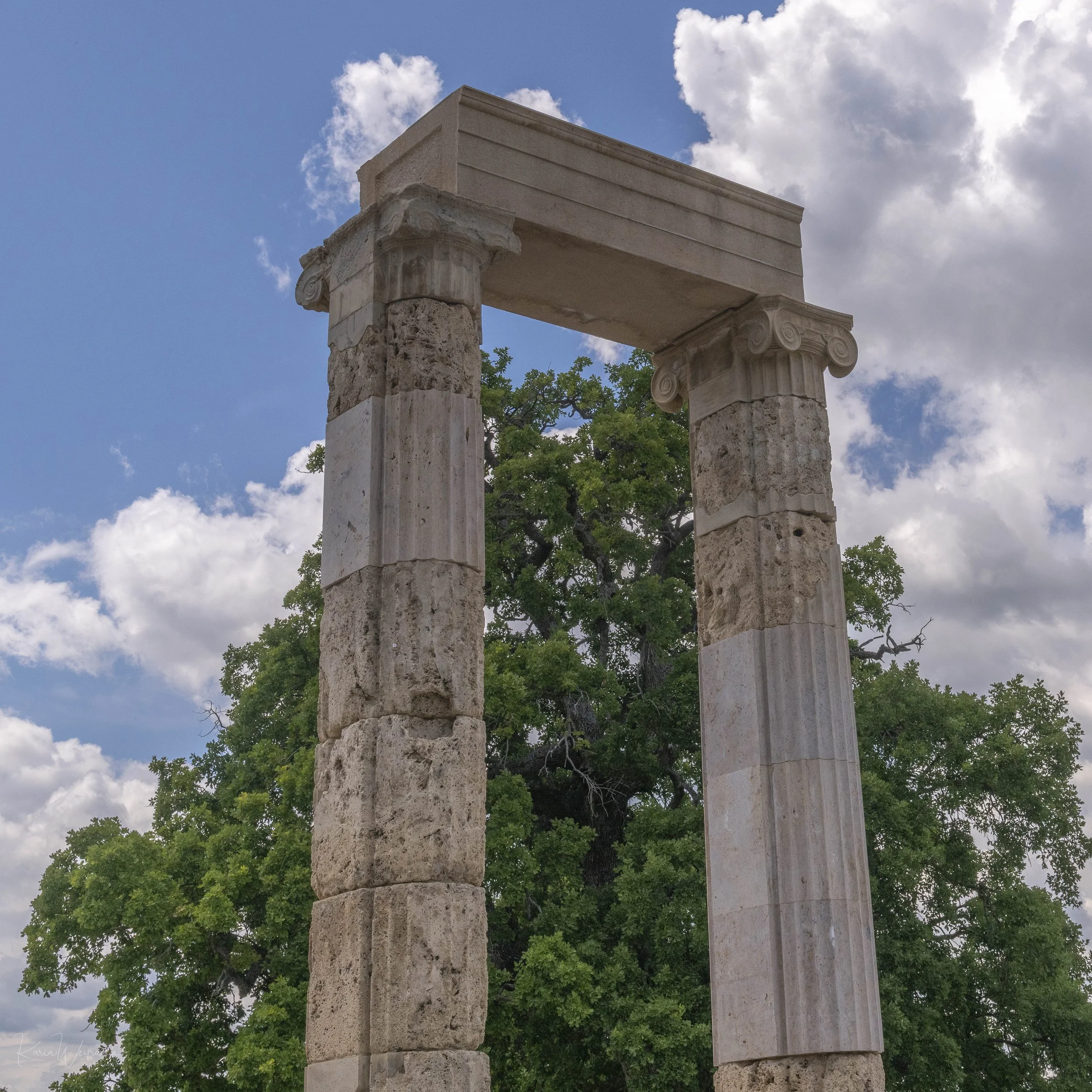
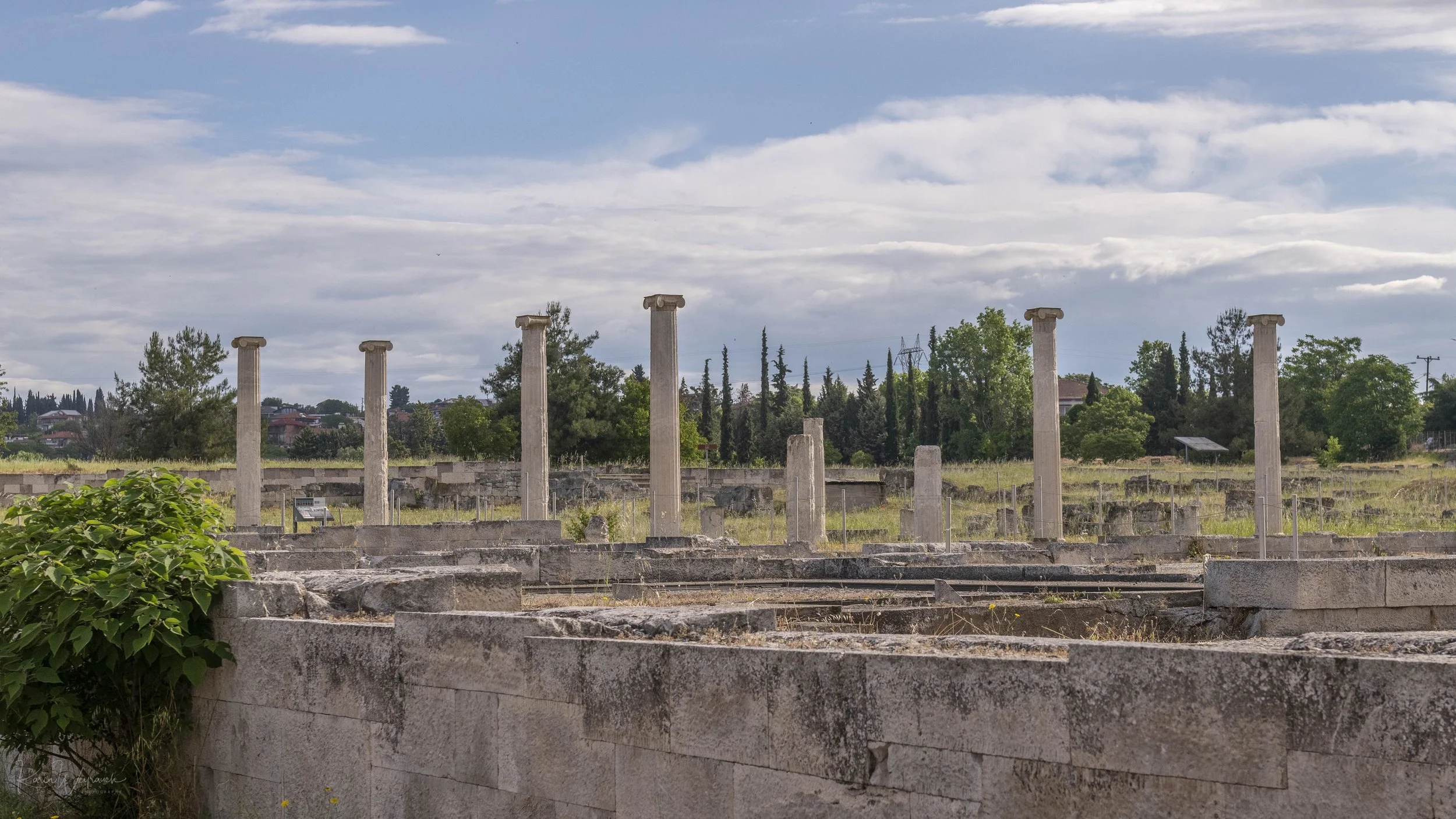
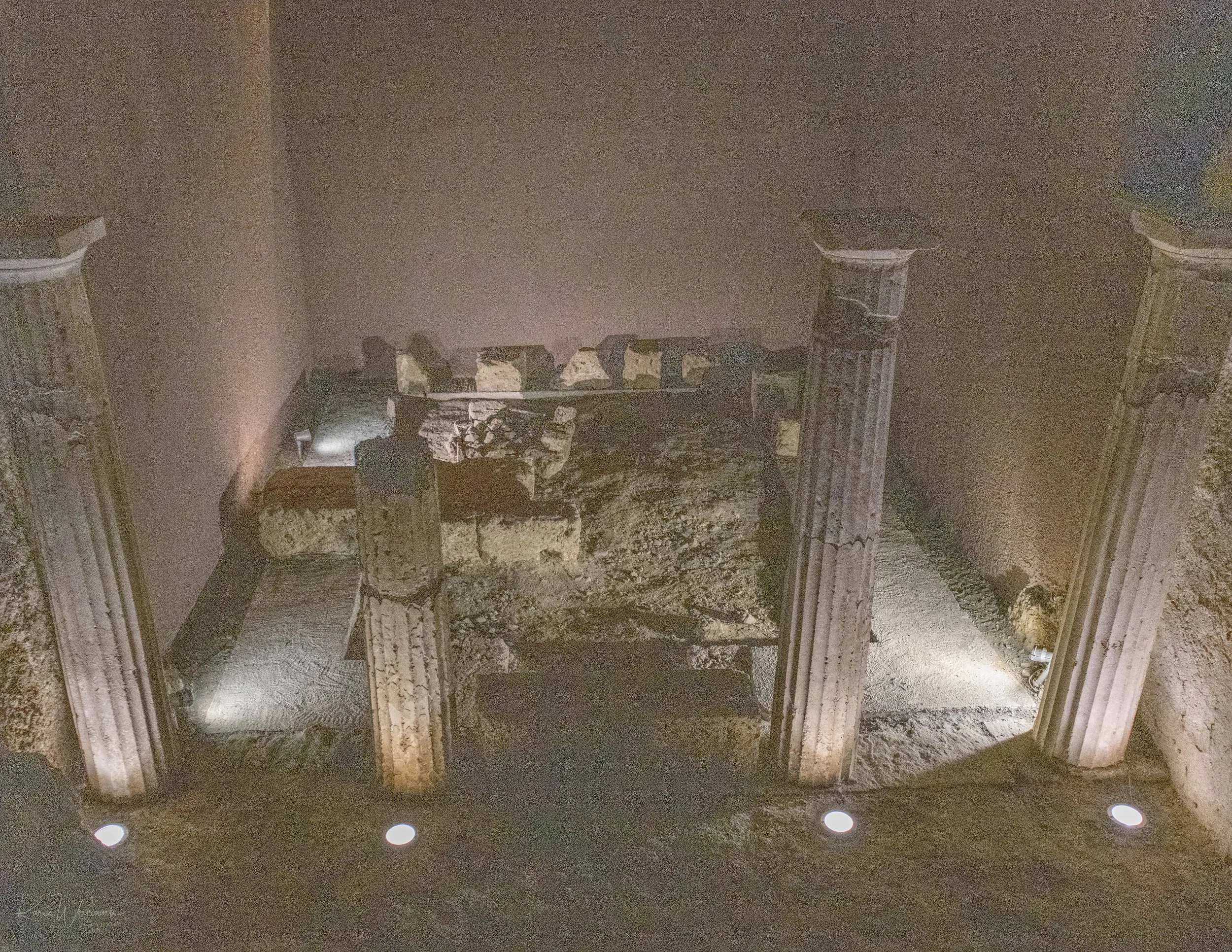
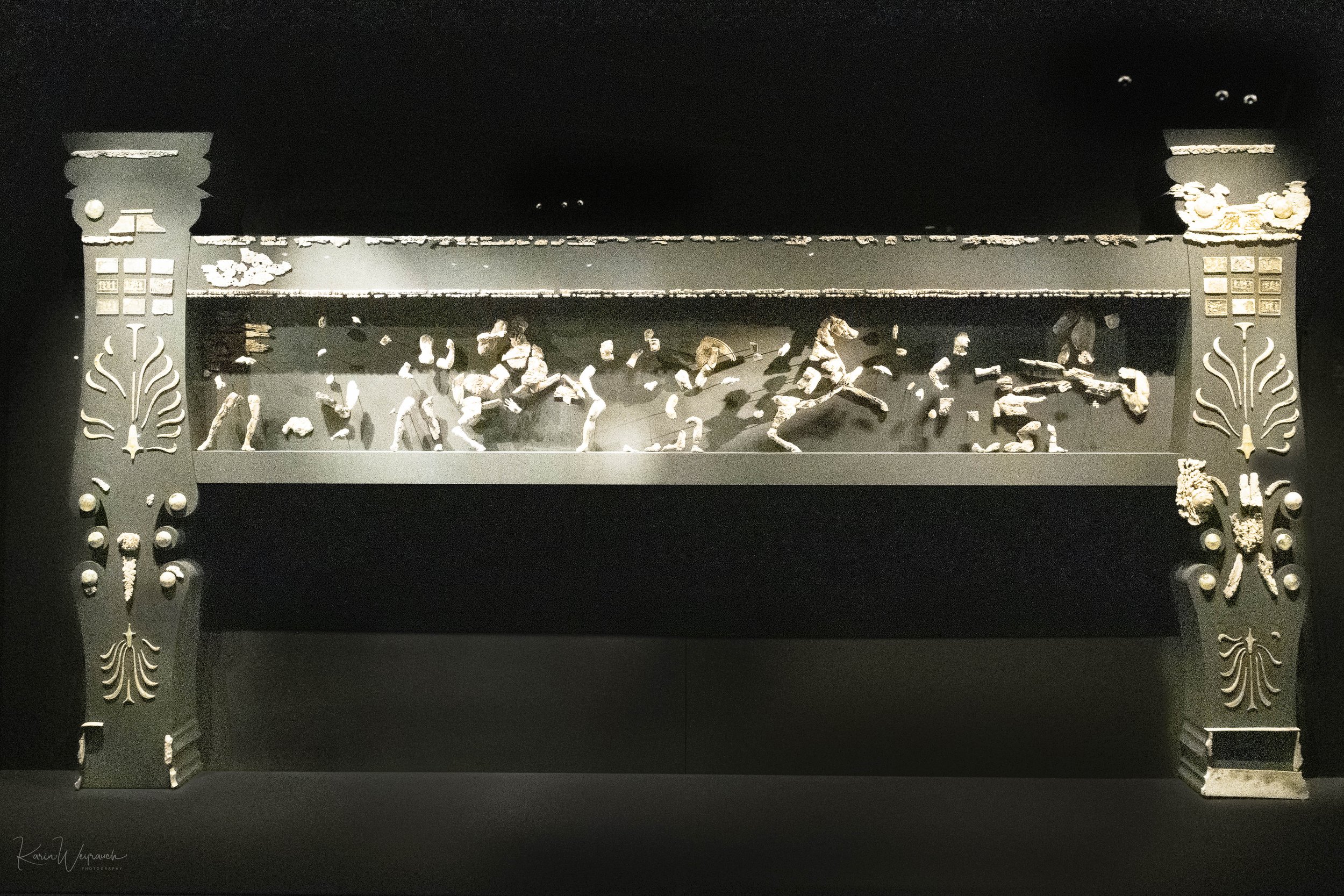
In Aigai, the ancient capital of the Macedonian kingdom, near present-day Vergina, history acquired a physical presence. The palace, the theatre, the royal tombs and the objects found within them offered an insight not only into the power of a dynasty, but also into its way of life, its ceremonies and its relationship with death. Philip II ceased to be merely Alexander’s father: he emerged as the ruler who consolidated the Macedonian kingdom and laid the foundations for the expansion his son would undertake.
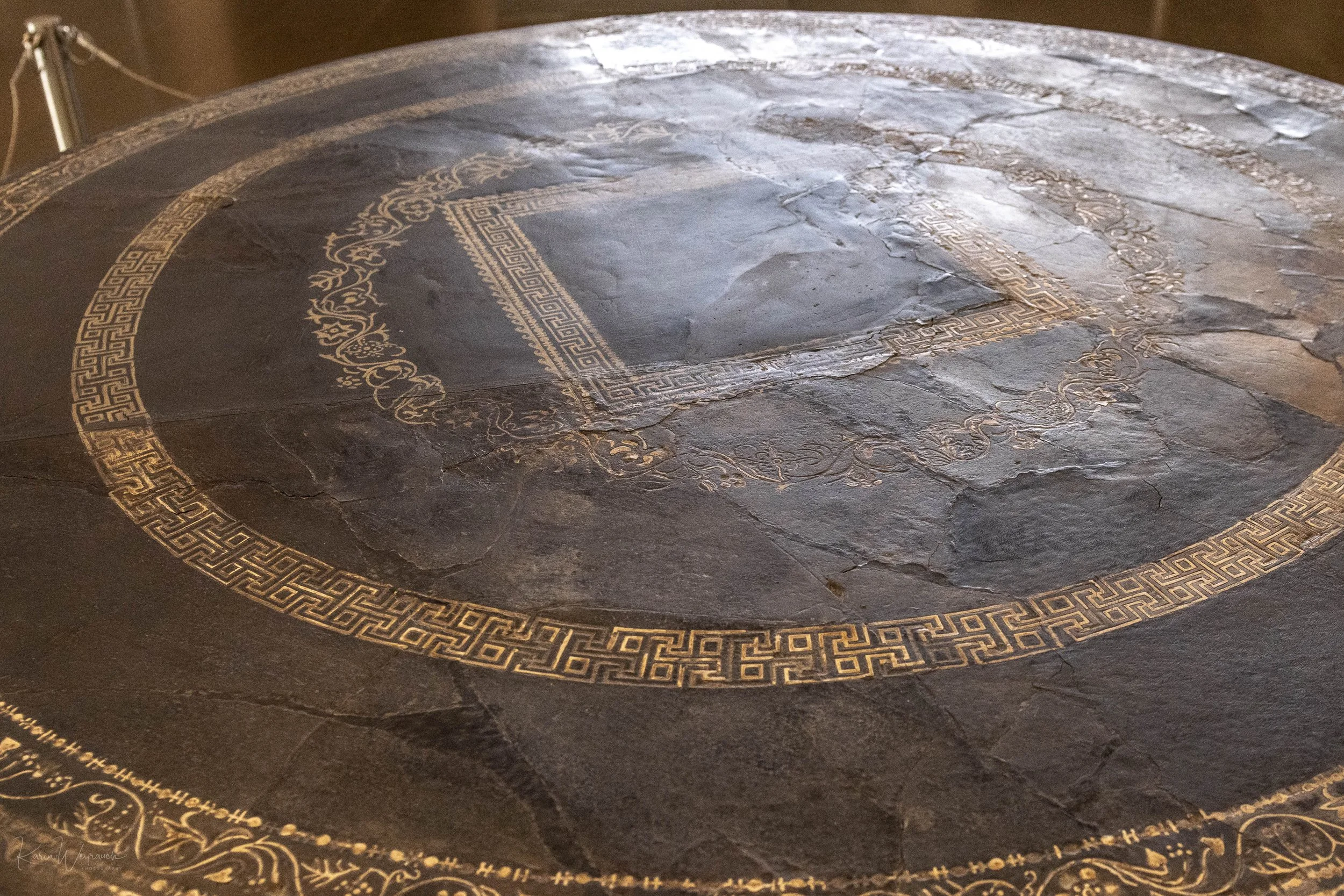
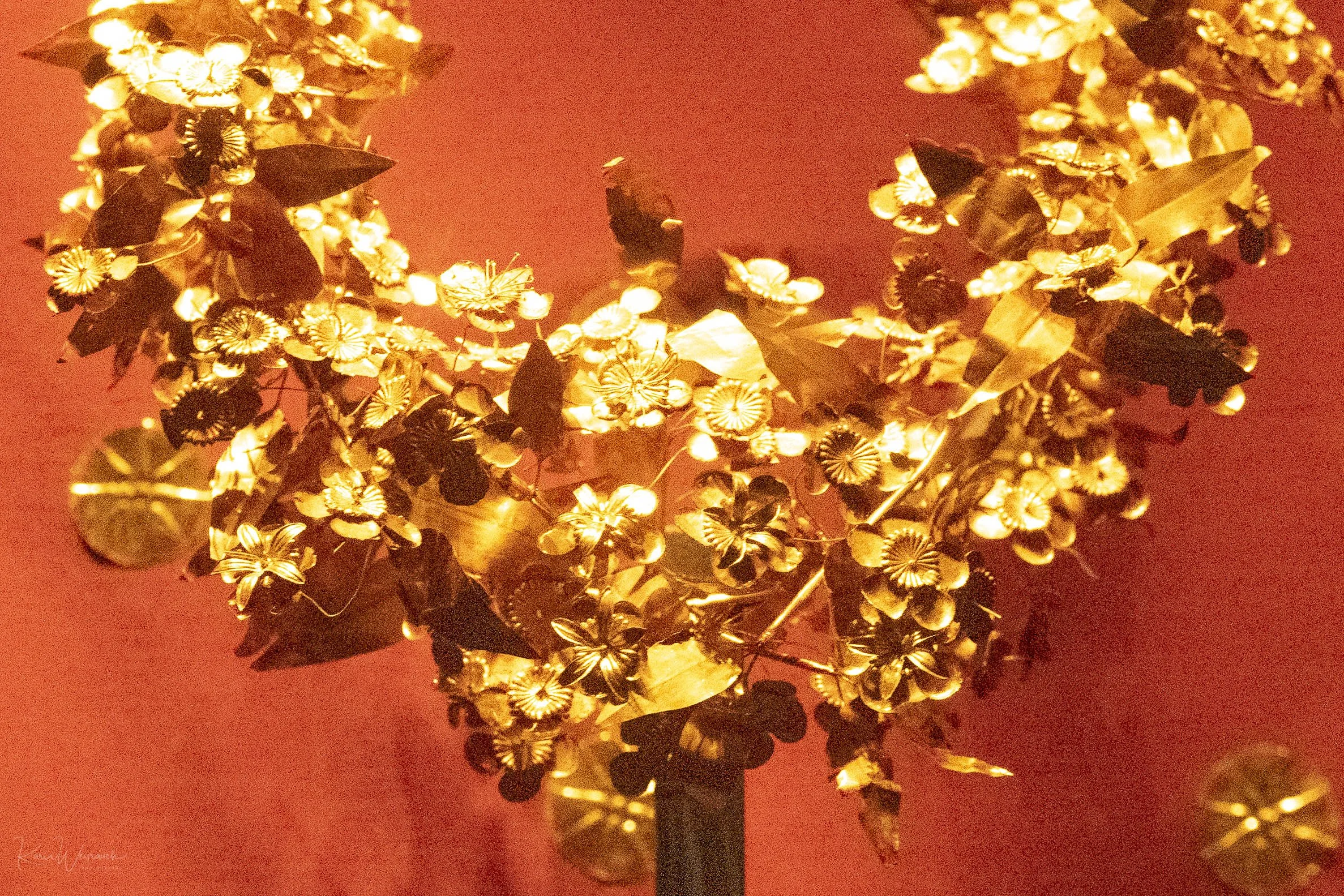
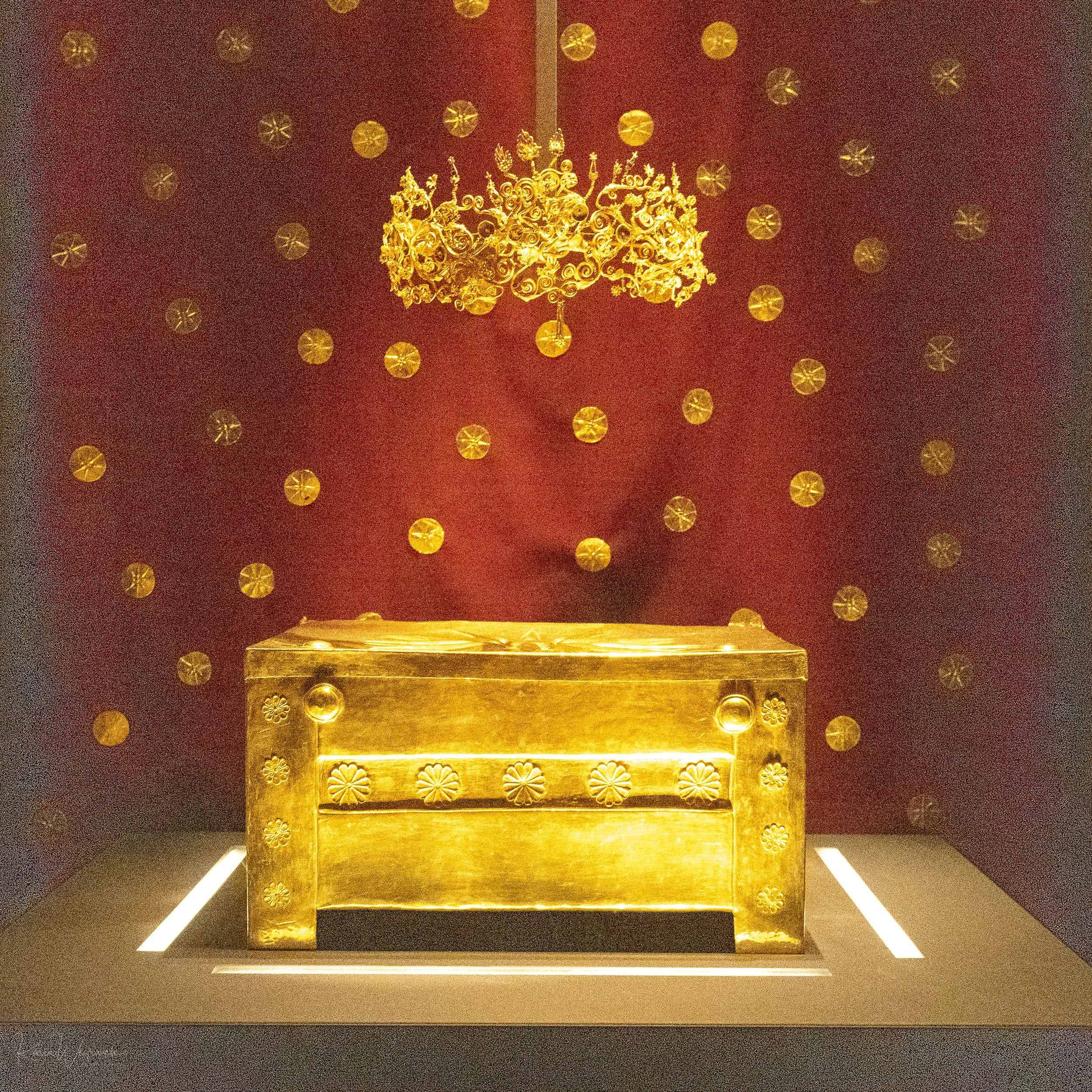
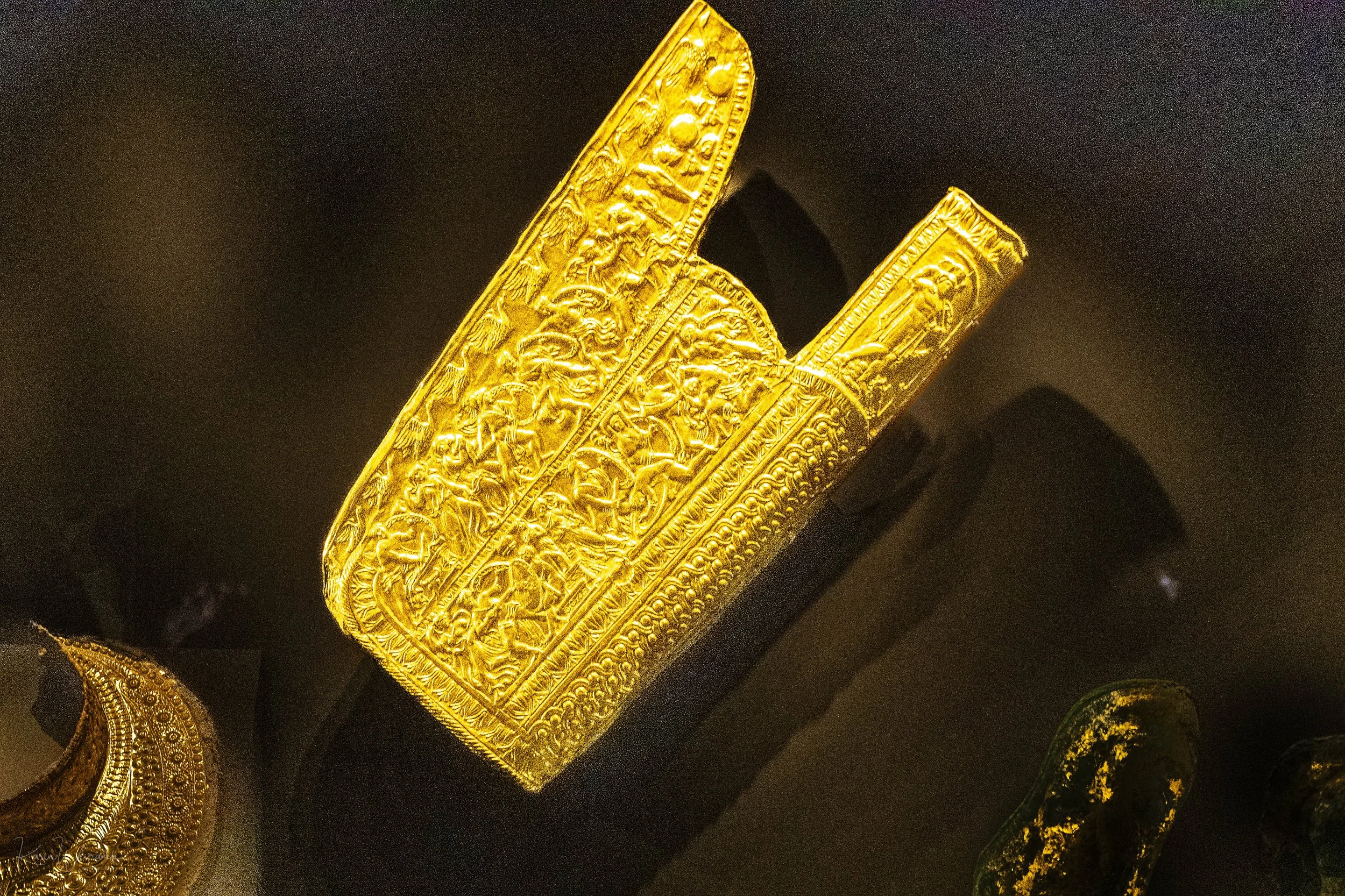
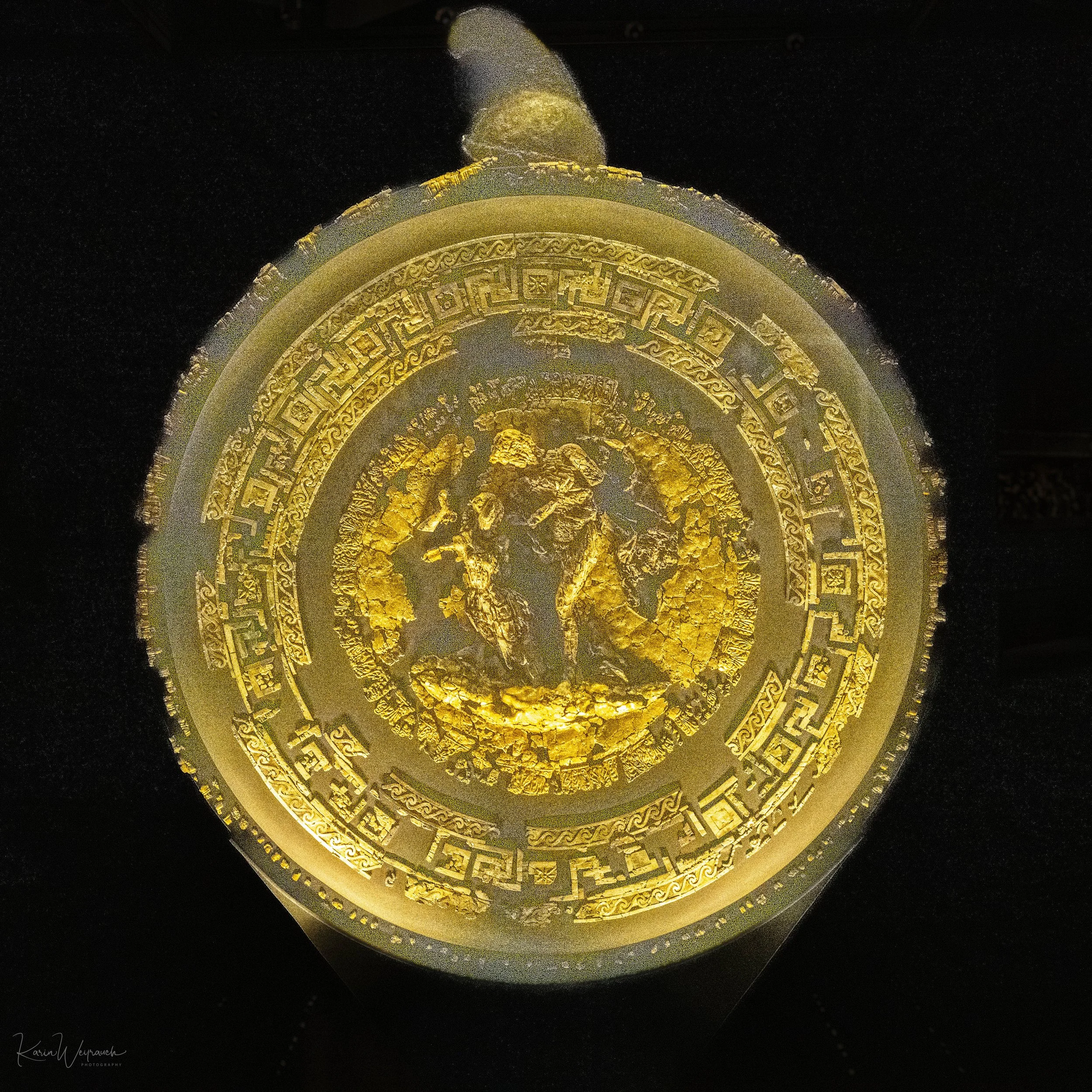
The tomb attributed to him, with its paintings, weapons and golden objects, does not feel like something dead. In the darkness of the museum, the metal still retains its radiance and seems to resist the passage of time. How much can an object reveal about the person who once possessed it? Is it possible to look at a crown, a suit of armour or a funerary casket without mentally reconstructing the life that once surrounded them?
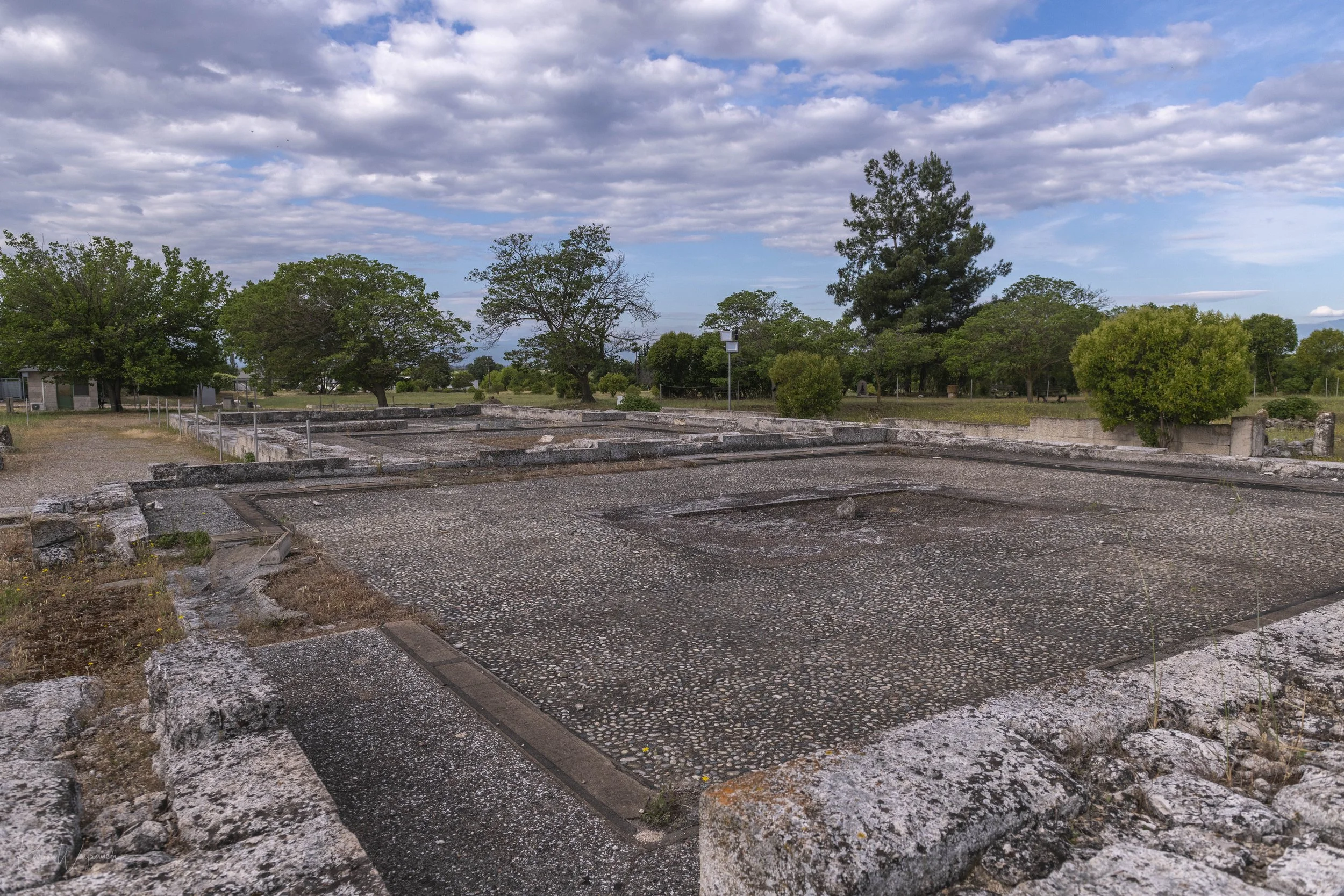
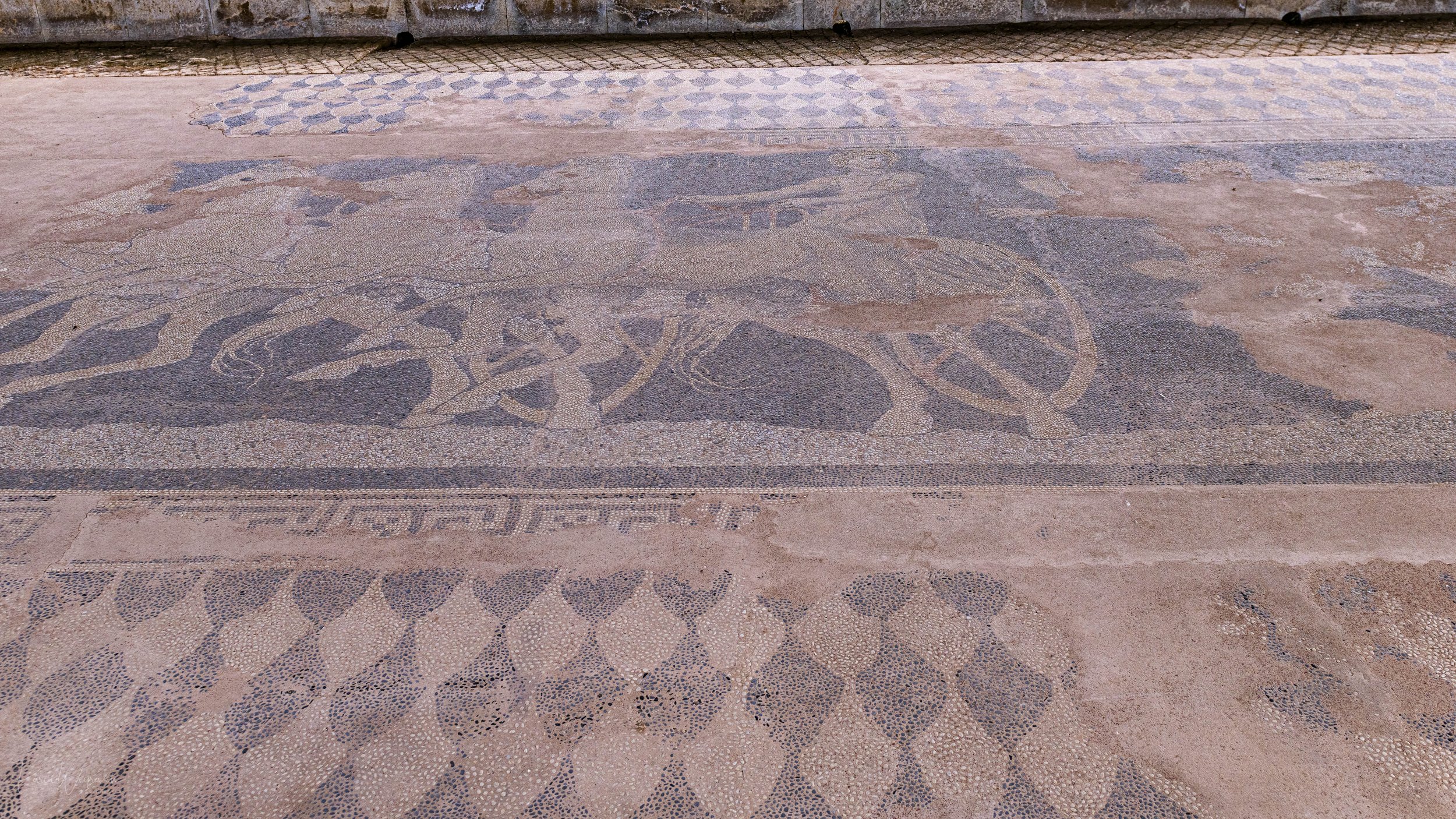
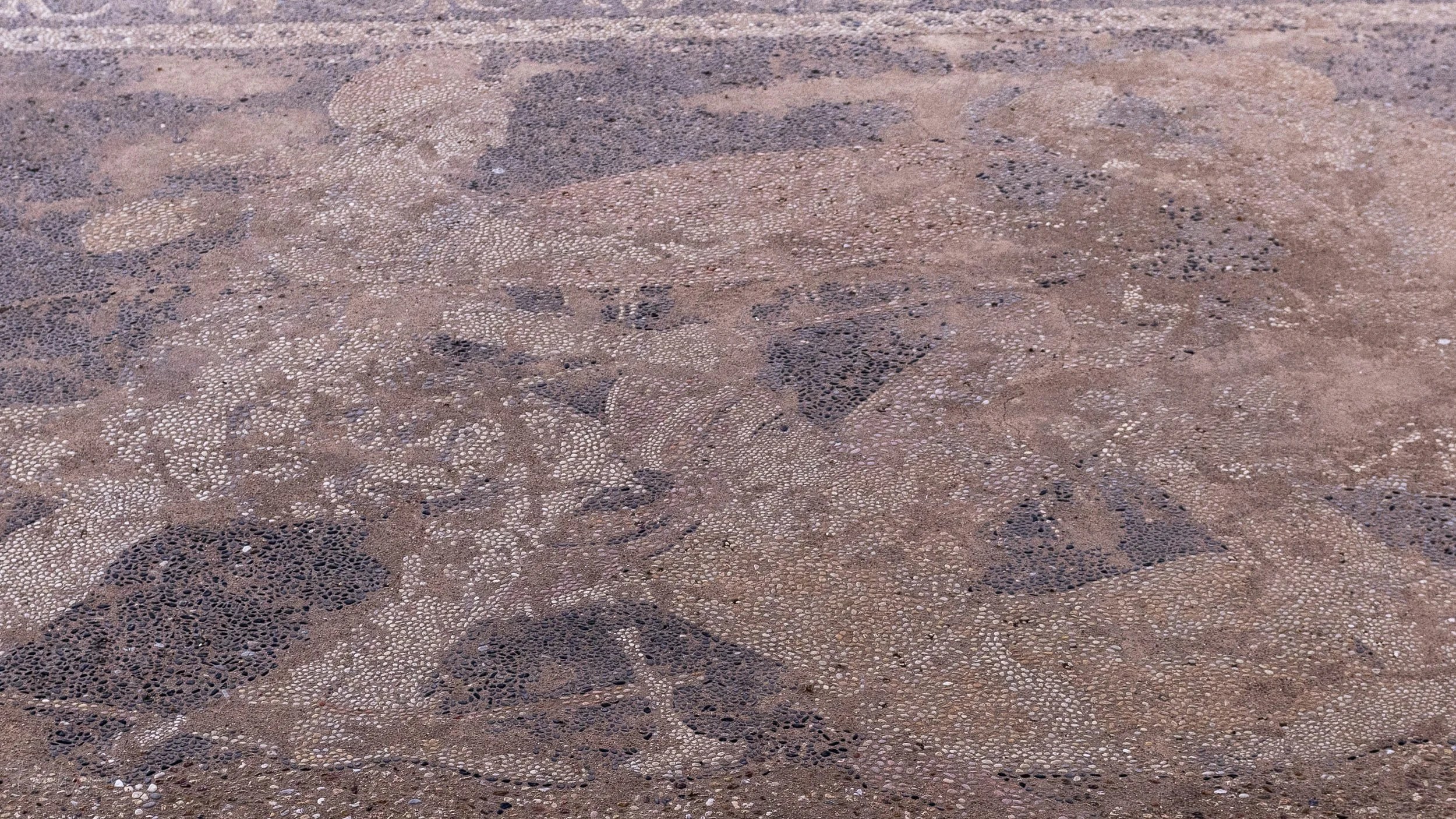
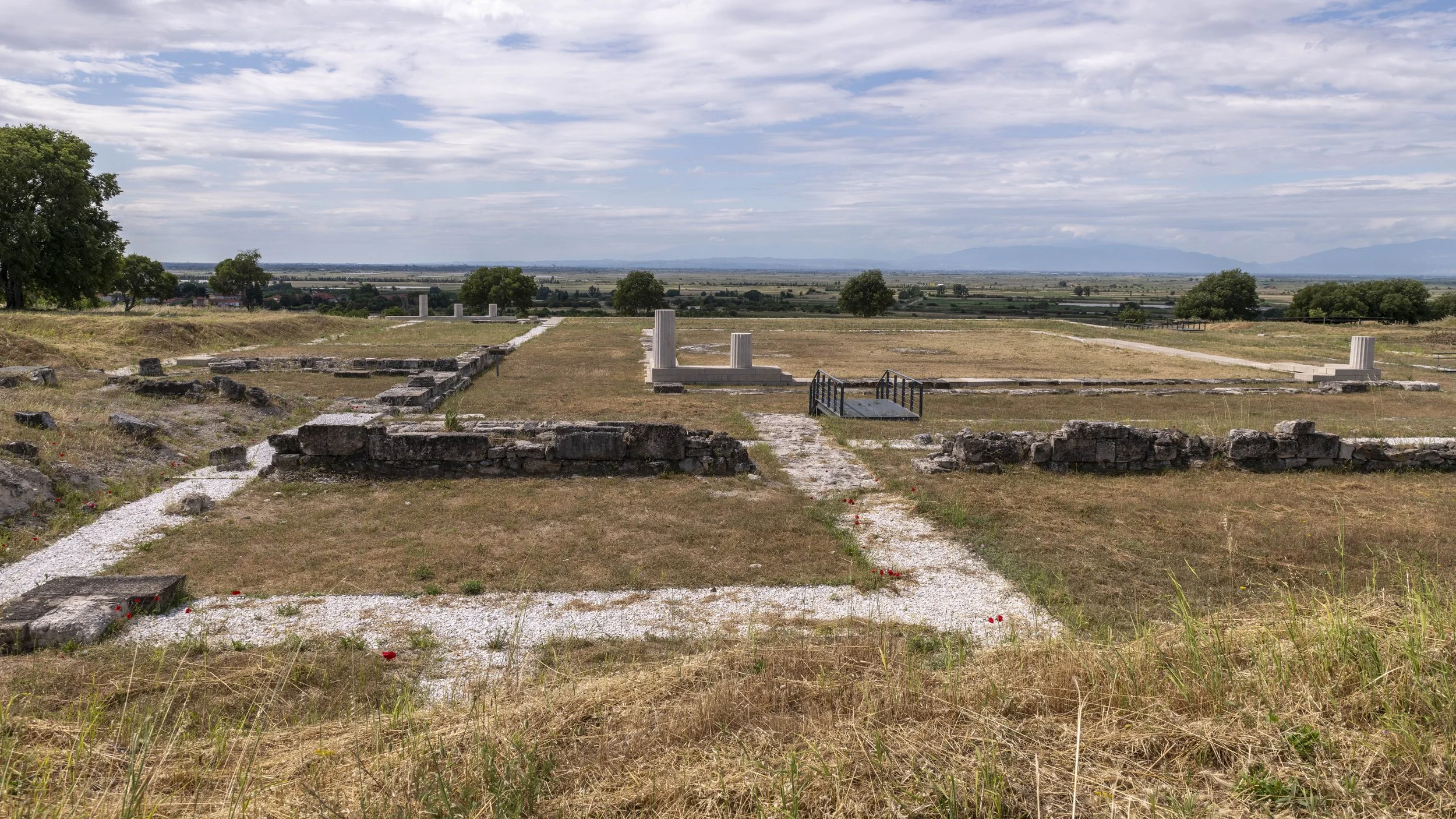
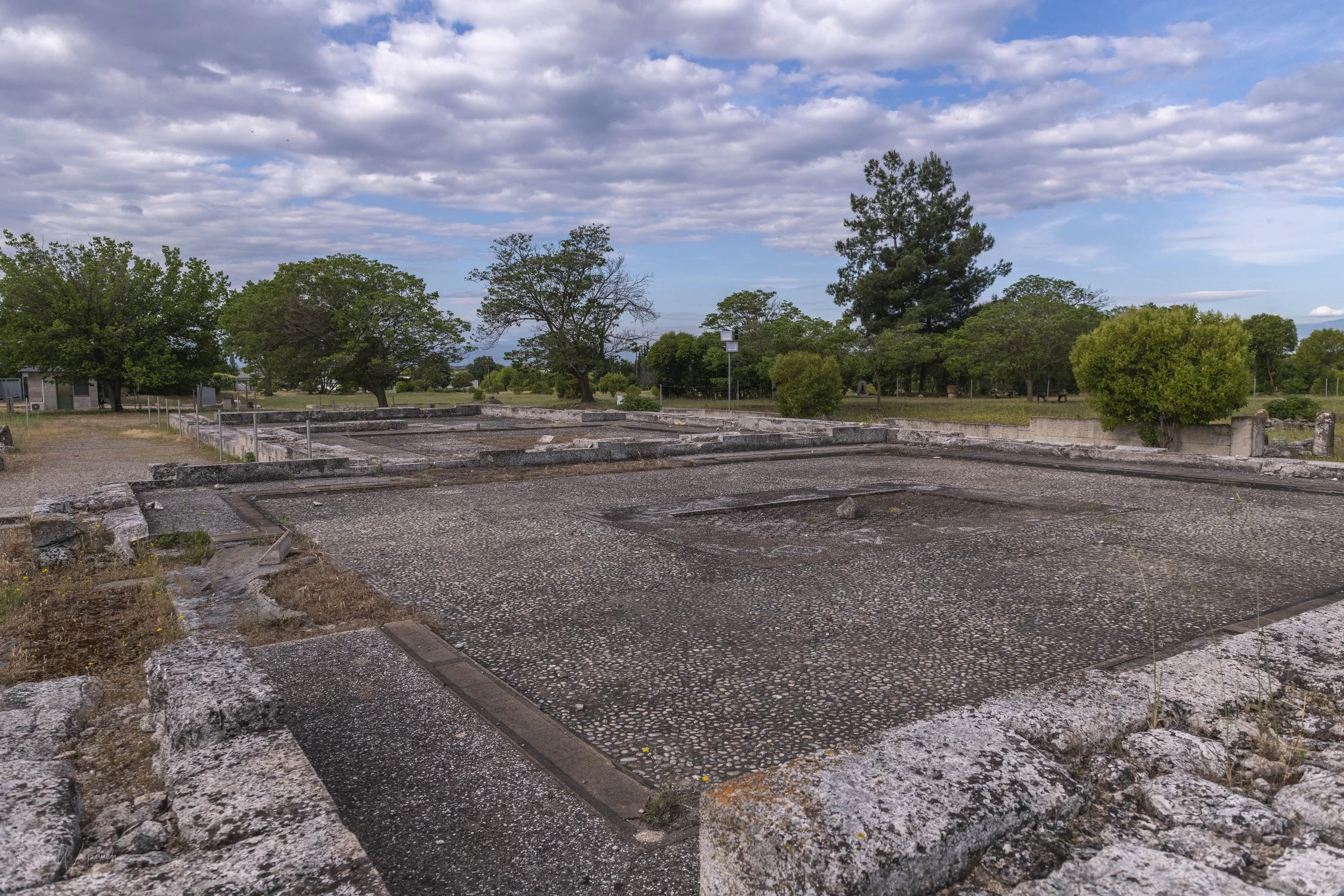
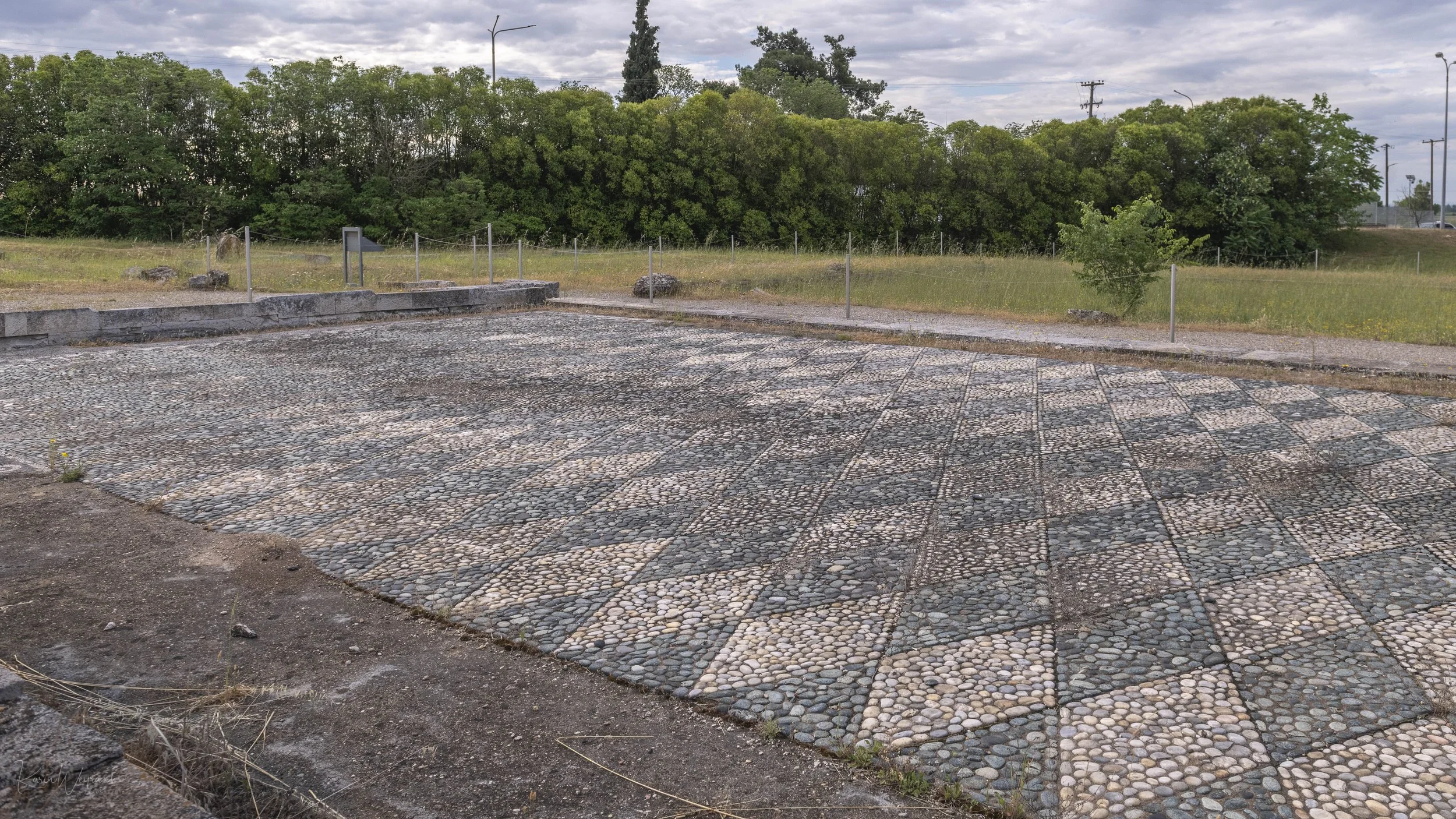
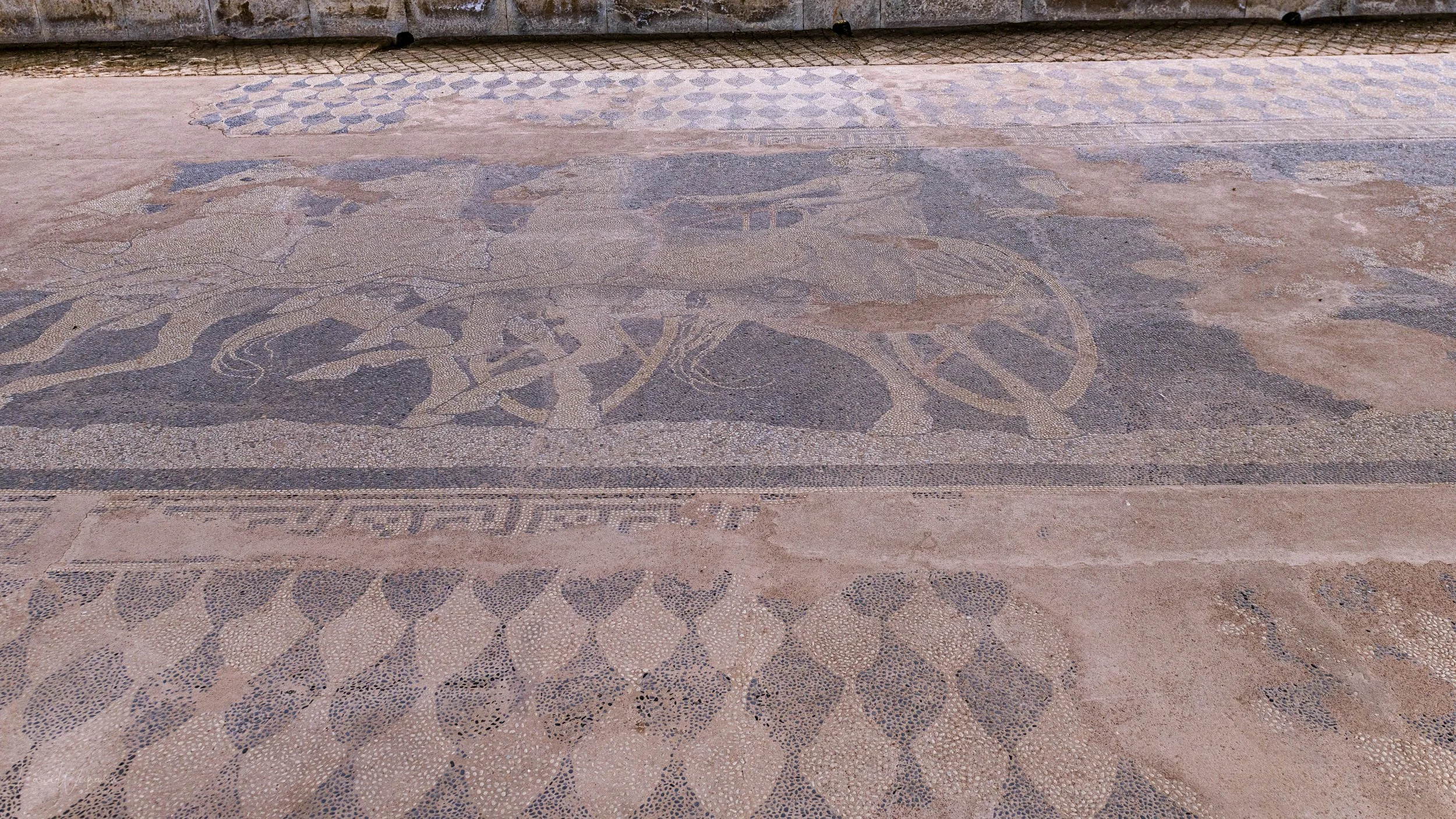
In Pella, I walked through the ruins of the city where Alexander was born. Its streets, houses, courtyards and mosaics reveal that, before becoming an almost legendary figure, he was a child who belonged to a particular place. There, universal history returns to a human scale. Alexander is no longer merely the conqueror represented in statues and historical accounts, but someone who must have known those paths, looked out across that plain and grown up within a court shaped by his father’s ambitions and conflicts.
I was surprised to realise that the landscape, too, had played a part in that history. The mountains, rivers and broad plains were not an indifferent backdrop: they protected cities, enabled movement and defined the kingdom’s relationship with neighbouring territories. What we contemplate as nature today was also a stage, a boundary and a realm of possibility.
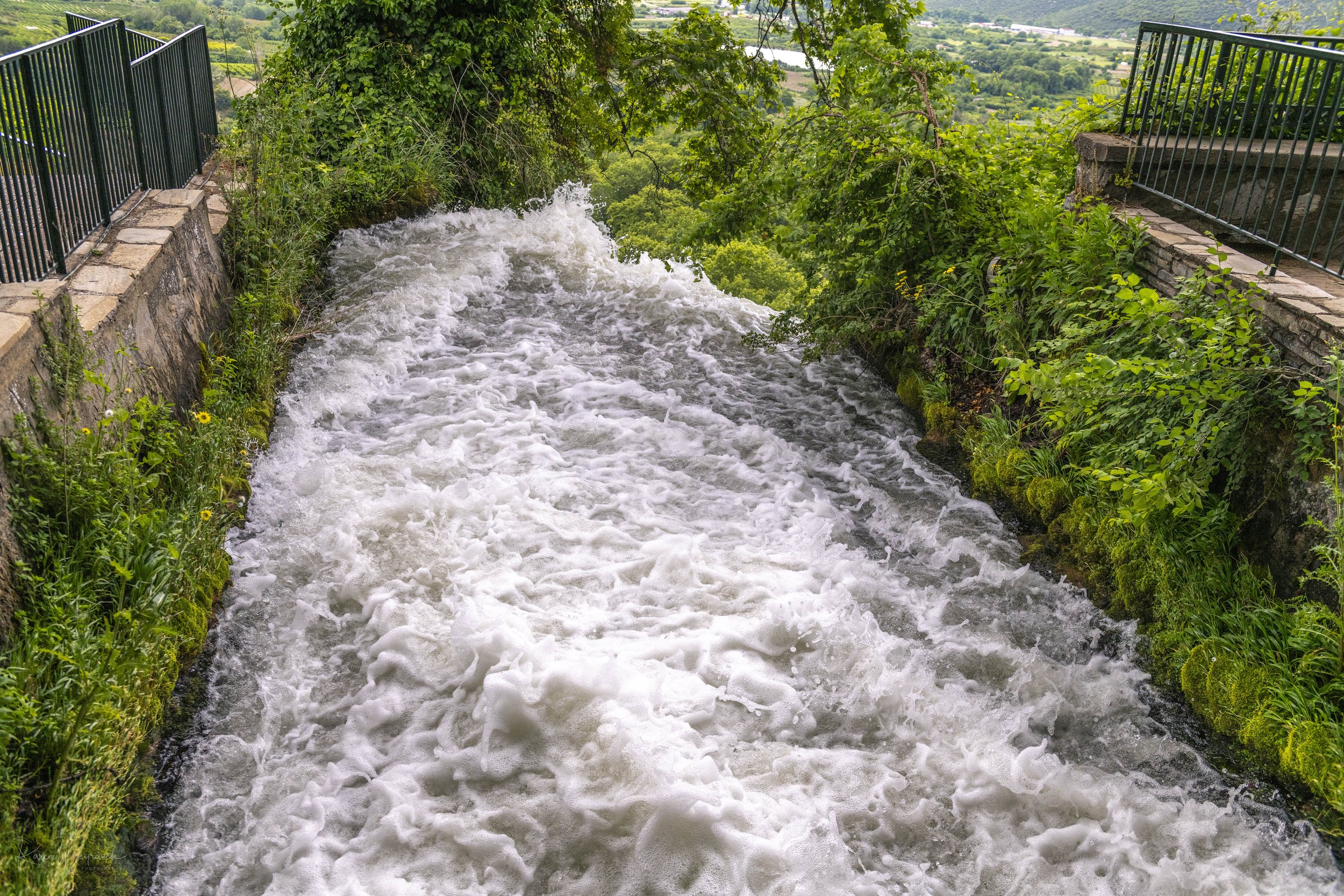
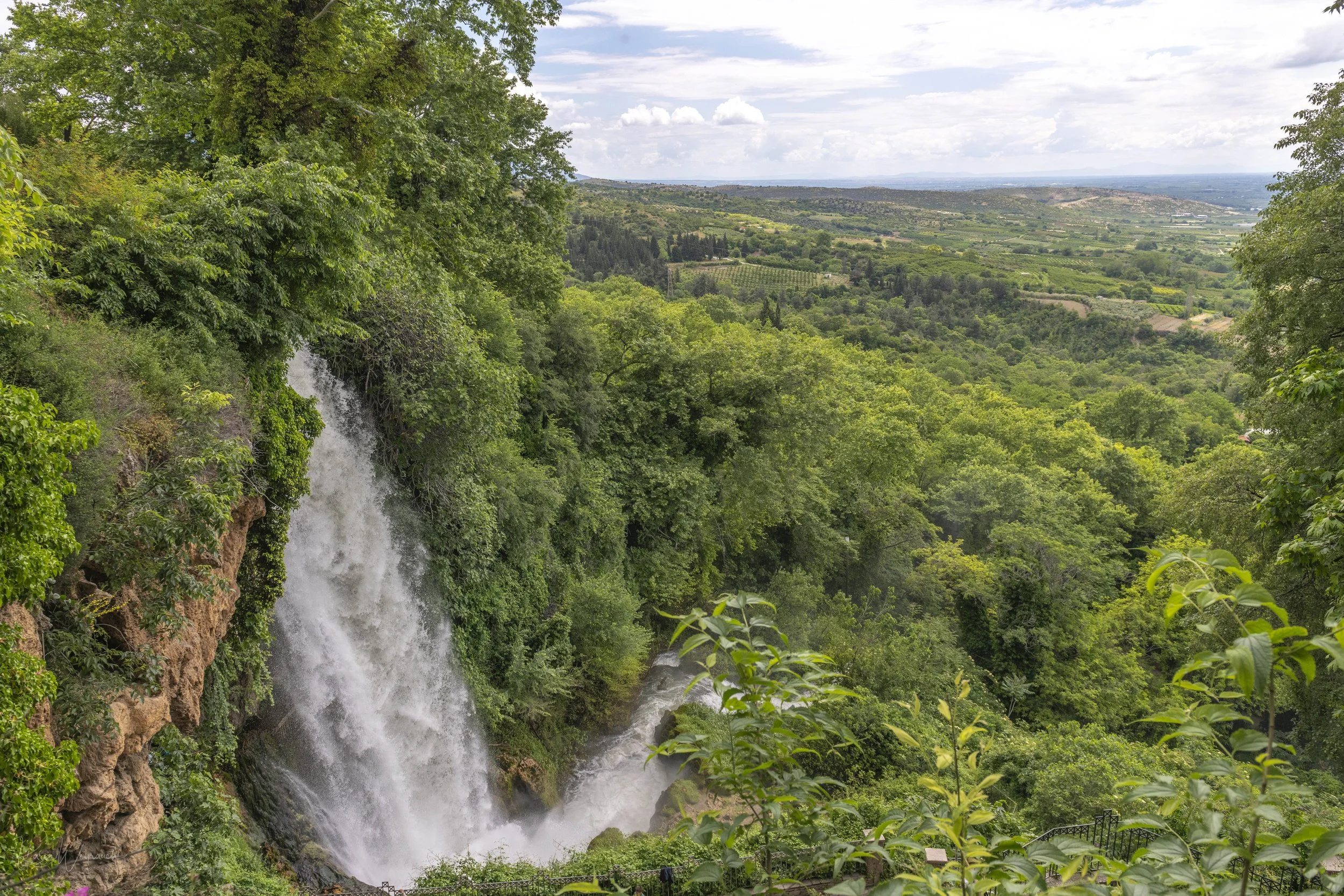
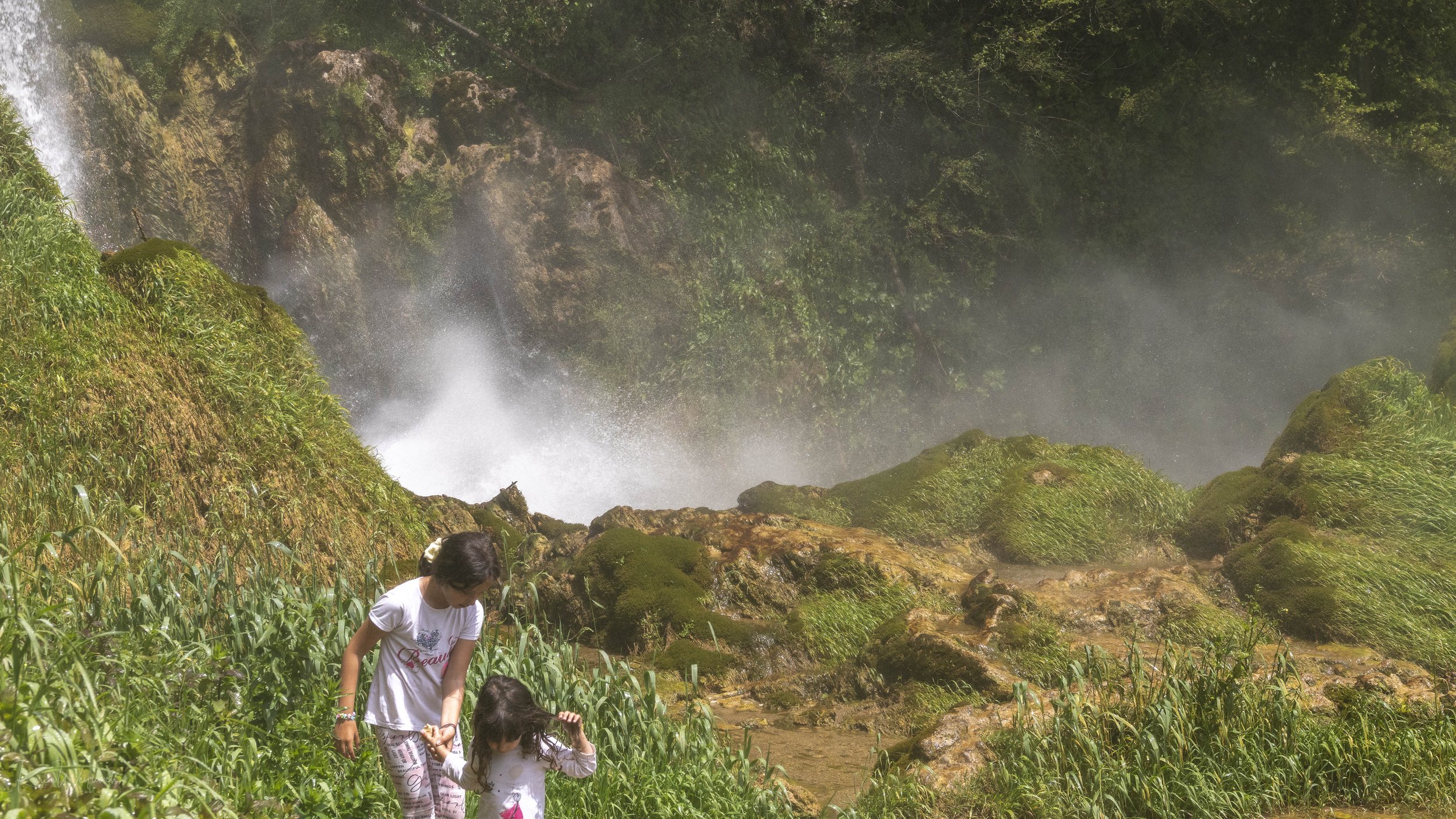
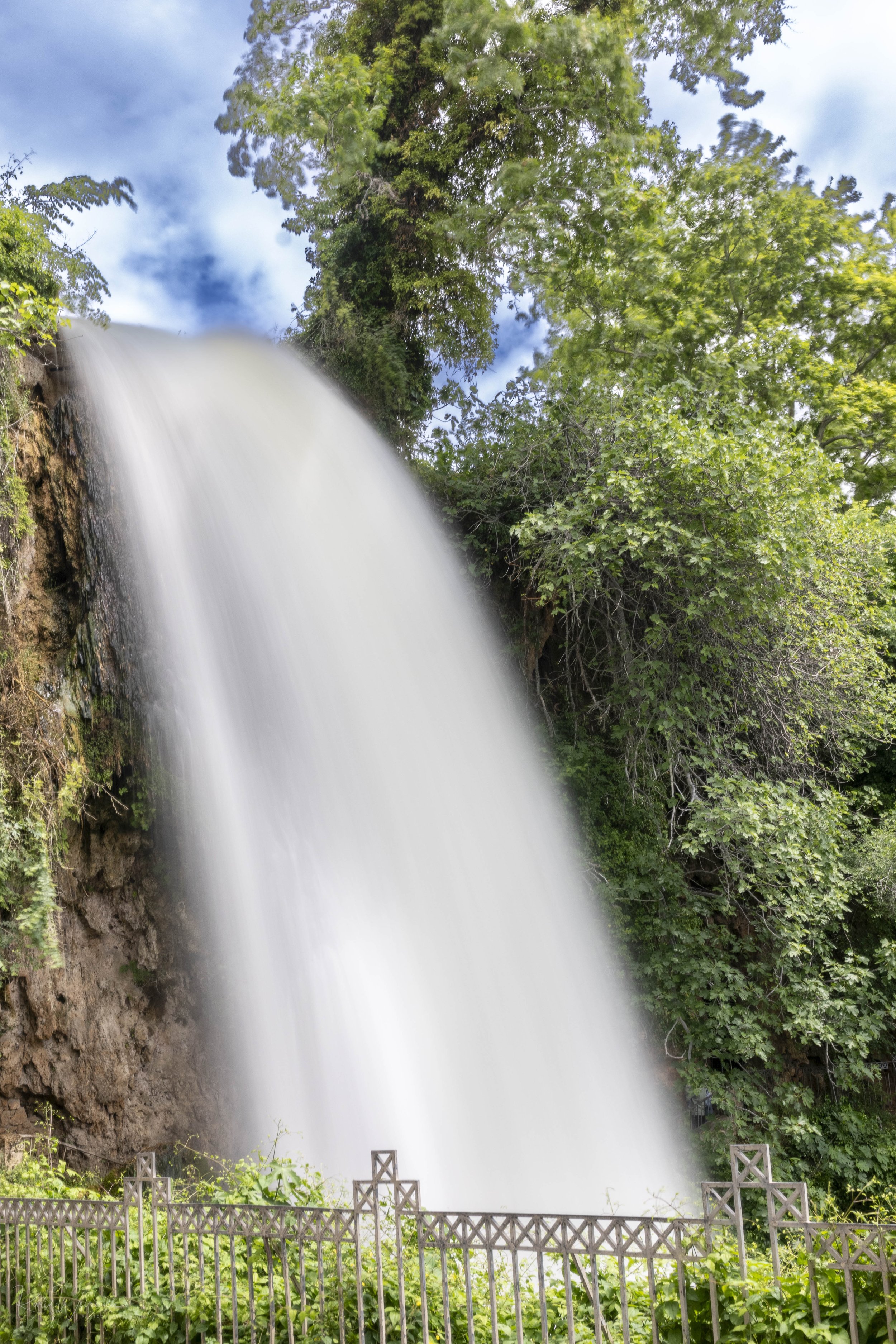
Edessa introduces another experience of time. There, water runs through the city and plunges with a force that seems untouched by human history. Before the waterfalls, stone ceases to be merely a ruin and becomes matter slowly transformed by movement. While palaces collapse, cities change their names and kingdoms disappear, the water continues on its course.
In Greek Macedonia, memory remains inscribed in the land. Palaces, tombs, mosaics, columns and archaeological objects coexist with vegetation, present-day cities and water. The past does not appear as something frozen in time: it remains part of the landscape and changes the way we see it.
These photographs grew out of the wonder of encountering a history I had known only from a distance and discovering that it could still be physically explored. Among stone, gold, trees and water, time ceases to be a linear succession. It becomes a presence: something that endures, changes and continues to inhabit the land.
Paisaje y memoria
Antes de llegar a Macedonia, Alejandro Magno y su padre, Filipo II, pertenecían para mí a una historia remota. Conocía sus nombres, pero no había imaginado sus ciudades, los espacios en los que vivieron ni el paisaje desde el cual comenzó una transformación decisiva del mundo antiguo.
Encontrarlos allí fue una revelación.
En Aigai, la antigua capital del reino macedonio, situada junto a la actual Vergina, la historia adquirió una presencia material. El palacio, el teatro, las tumbas reales y los objetos encontrados en ellas permitían aproximarse no solamente al poder de una dinastía, sino también a su vida, sus ceremonias y su relación con la muerte. Filipo II dejó de ser únicamente el padre de Alejandro: apareció como el gobernante que consolidó el reino de Macedonia y preparó las condiciones para la expansión que realizaría su hijo.
La tumba que se le atribuye, con sus pinturas, armas y objetos de oro, no produce la sensación de contemplar algo muerto. En la oscuridad del museo, el metal conserva todavía su resplandor y parece resistirse al paso del tiempo. ¿Cuánto puede revelar un objeto sobre la persona que lo poseyó? ¿Es posible mirar una corona, una armadura o una urna funeraria sin reconstruir mentalmente la vida que alguna vez las rodeó?
En Pella recorrí las ruinas de la ciudad donde nació Alejandro. Sus calles, casas, patios y mosaicos muestran que antes de convertirse en una figura casi legendaria fue un niño que perteneció a un lugar. Allí la historia universal recupera una escala humana. Alejandro ya no es solamente el conquistador representado en estatuas y relatos, sino alguien que debió conocer aquellos caminos, observar aquella llanura y crecer dentro de una corte marcada por las ambiciones y los conflictos de su padre.
Me sorprendió comprender que el paisaje también había participado en esa historia. Las montañas, los ríos y las extensas llanuras no eran un fondo indiferente: protegían ciudades, permitían desplazamientos y definían la relación del reino con los territorios vecinos. Aquello que hoy contemplamos como naturaleza fue también escenario, límite y posibilidad.
Edesa introduce otra forma del tiempo. Allí el agua atraviesa la ciudad y cae con una fuerza que parece ajena a la historia humana. Frente a las cascadas, la piedra deja de ser únicamente ruina y se convierte en materia transformada lentamente por el movimiento. Mientras los palacios se derrumban, las ciudades cambian de nombre y los reinos desaparecen, el agua continúa su recorrido.
En la Macedonia griega, la memoria permanece inscrita en el territorio. Palacios, tumbas, mosaicos, columnas y objetos arqueológicos conviven con la vegetación, las ciudades actuales y el agua. El pasado no aparece como algo detenido: sigue formando parte del paisaje y modifica la manera en que lo observamos.
Estas fotografías nacen del asombro de encontrar una historia que conocía solo de manera distante y descubrir que todavía podía ser recorrida. Entre piedra, oro, árboles y agua, el tiempo deja de ser una sucesión lineal. Se convierte en una presencia: algo que permanece, se transforma y continúa habitando el lugar.
Landschaft und Erinnerung
Bevor ich nach Makedonien kam, gehörten Alexander der Große und sein Vater Philipp II. für mich einer fernen Geschichte an. Ich kannte ihre Namen, hatte mir jedoch nie ihre Städte, die Orte, an denen sie lebten, oder jene Landschaft vorgestellt, von der eine entscheidende Veränderung der antiken Welt ihren Ausgang nahm.
Ihnen dort zu begegnen, war eine Offenbarung.
In Aigai, der alten Hauptstadt des makedonischen Königreichs nahe dem heutigen Vergina, wurde Geschichte materiell erfahrbar. Der Palast, das Theater, die Königsgräber und die darin gefundenen Gegenstände ermöglichten nicht nur eine Annäherung an die Macht einer Dynastie, sondern auch an ihr Leben, ihre Zeremonien und ihren Umgang mit dem Tod. Philipp II. war plötzlich nicht mehr nur der Vater Alexanders. Er trat als der Herrscher hervor, der das Königreich Makedonien festigte und die Voraussetzungen für jene Expansion schuf, die sein Sohn später verwirklichen sollte.
Das ihm zugeschriebene Grab mit seinen Malereien, Waffen und goldenen Gegenständen vermittelt nicht den Eindruck, etwas Totem gegenüberzustehen. In der Dunkelheit des Museums bewahrt das Metall noch immer seinen Glanz und scheint sich dem Vergehen der Zeit zu widersetzen. Wie viel kann ein Gegenstand über den Menschen erzählen, dem er einst gehörte? Kann man eine Krone, eine Rüstung oder eine Graburne betrachten, ohne sich das Leben vorzustellen, von dem sie einst umgeben waren?
In Pella ging ich durch die Ruinen jener Stadt, in der Alexander geboren wurde. Ihre Straßen, Häuser, Innenhöfe und Mosaiken zeigen, dass er, bevor er zu einer beinahe mythischen Gestalt wurde, ein Kind war, das zu einem bestimmten Ort gehörte. Dort gewinnt die Weltgeschichte wieder menschliche Maßstäbe. Alexander ist nicht länger nur der Eroberer aus Statuen und historischen Überlieferungen, sondern ein Mensch, der diese Wege gekannt, über jene Ebene geblickt und an einem Hof aufgewachsen sein muss, der von den Ambitionen und Konflikten seines Vaters geprägt war.
Mich überraschte die Erkenntnis, dass auch die Landschaft an dieser Geschichte beteiligt war. Berge, Flüsse und weite Ebenen bildeten keine gleichgültige Kulisse: Sie schützten Städte, ermöglichten Bewegung und bestimmten die Beziehung des Königreichs zu den angrenzenden Gebieten. Was wir heute als Natur betrachten, war zugleich Schauplatz, Grenze und Möglichkeit.
Edessa eröffnet eine andere Erfahrung von Zeit. Dort durchquert das Wasser die Stadt und stürzt mit einer Kraft in die Tiefe, die von der menschlichen Geschichte unberührt zu sein scheint. Angesichts der Wasserfälle ist der Stein nicht länger nur Ruine, sondern wird zu einer Materie, die durch Bewegung langsam verwandelt wird. Während Paläste zerfallen, Städte ihre Namen wechseln und Königreiche verschwinden, setzt das Wasser seinen Lauf fort.
Im griechischen Makedonien bleibt die Erinnerung in die Landschaft eingeschrieben. Paläste, Gräber, Mosaiken, Säulen und archäologische Objekte bestehen neben der Vegetation, den heutigen Städten und dem Wasser. Die Vergangenheit erscheint nicht als etwas Erstarrtes: Sie bleibt Teil der Landschaft und verändert die Art, wie wir sie betrachten.
Diese Fotografien entstanden aus dem Staunen darüber, einer Geschichte zu begegnen, die ich nur aus der Ferne gekannt hatte, und zu entdecken, dass sie noch immer durchschritten werden kann. Zwischen Stein, Gold, Bäumen und Wasser hört die Zeit auf, eine lineare Abfolge zu sein. Sie wird zu einer Gegenwart: zu etwas, das bleibt, sich verwandelt und den Ort weiterhin bewohnt.